
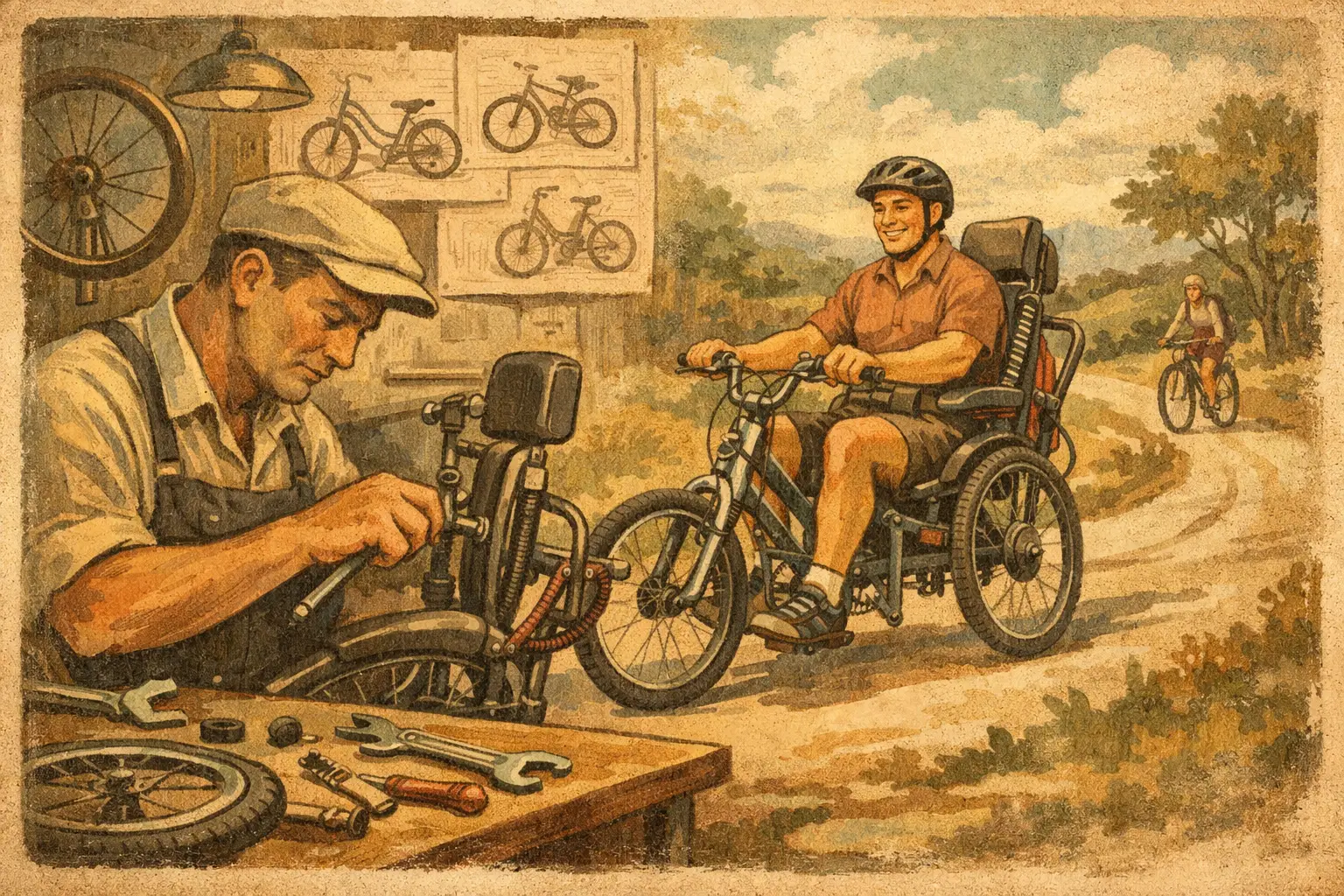
A well-executed adaptive cycle modification service starts with a simple fact: the rider must be able to operate the machine safely, repeatedly and without fighting it. That may mean reaching a brake lever without pain, transferring into a recumbent with confidence, carrying essential medical equipment, or putting usable electric assistance where it genuinely improves independence. The answer is rarely an off-the-shelf accessory fitted in isolation.
Adaptive cycles are serious engineering projects. They carry different loads, use different steering arrangements and often experience higher stresses at mounts, brackets and connection points than a conventional bicycle. A modification that appears modest can alter steering feel, braking access, stability, fatigue life and the way the cycle is used every day. The work needs to begin with the rider, the cycle and the intended journeys – not a catalogue of parts.
What an adaptive cycle modification service should address
The purpose of an adaptation is not simply to make a cycle technically usable. It is to make riding practical enough that the machine earns its place in daily life, training, touring or family use. That calls for a clear understanding of physical reach, grip, leg function, balance, transfer method, confidence, riding environment and the amount of assistance required.
For one rider, the priority may be moving controls to one side of the handlebar and reducing the force needed at the levers. For another, it may be improving the seating position of a trike, creating a secure mounting point for a restraint system, or modifying a handcycle around an existing propulsion technique. A rider using a recumbent may need a practical way to carry luggage, battery capacity or mobility equipment without compromising access or handling.
These are connected problems. Altering bar position changes reach and cable routing. Adding a battery changes weight distribution. Fitting a bespoke bracket may concentrate loads into a tube or joint that was never designed for them. Good workshop work considers the whole structure, not just the new component.
Start with the riding problem, not the proposed part
The most useful first conversation is about what happens before, during and after a ride. Where does control become difficult? Does discomfort arrive after ten minutes or after twenty miles? Is the challenge mounting the cycle, starting on a slope, managing a junction, changing gear under load or getting home when fatigue sets in?
A practical assessment should also consider the routes being ridden. County Durham hills, rough lanes, shared paths and poor road surfaces ask more of an adaptive cycle than a short, level test ride outside a shop. A modification that feels acceptable on smooth ground can become awkward when the steering is loaded, the surface cambers or the weather turns.
Measurements matter, but they are only part of the picture. Saddle or seat position, crank length, pedal retention, lever reach, hand position and the available range of movement should be examined together. Where possible, changes should be checked under realistic load before the final installation is committed. This reduces the risk of building an expensive solution around an assumption.
Control modifications need predictable operation
Braking and shifting adaptations must remain intuitive when the rider is tired, cold or dealing with traffic. This may involve repositioning controls, fitting alternative levers, changing cable or hydraulic routing, or configuring braking so the available hand has effective and manageable control.
There are trade-offs. A very short lever reach may improve access but reduce mechanical leverage. Combining controls can reduce the number of actions required, but can also make diagnosis and future servicing more complex. Modified cable runs must not bind as steering moves, while hydraulic lines need secure routing, sufficient length and protection from abrasion.
Pedal and crank work needs equal care. Shorter cranks can reduce knee lift and improve clearance, but they change leverage and cadence. Foot retention can improve security and control, yet must still permit a safe, repeatable release or be matched to the rider’s transfer needs. The right choice depends on the rider’s movement, strength, riding terrain and support arrangements.
Structural fabrication must account for fatigue
Adaptive cycles frequently need bespoke mounts, support brackets, luggage systems, seating alterations or revised attachment points. These parts should not be treated as decorative metalwork. They must tolerate vibration, repeated load cycles, weather and occasional misuse without cracking, loosening or damaging the frame beneath them.
Material selection, joint design and load paths matter. A bracket that is stiff enough in the workshop may still fail if it creates a sharp stress concentration at a thin tube, a weld toe or a bolted interface. Equally, overbuilding a component can add unnecessary mass in the wrong place, making a trike harder to lift or a handcycle less responsive.
Where a frame has already cracked, distorted or shown signs of corrosion, the cause should be investigated before a new part is added. Repairing a visible break without addressing the underlying loading issue often creates another failure nearby. Engineering-led modification means considering reinforcement, revised geometry, altered support points or a better distribution of force where needed.
This approach is especially relevant for aluminium, steel, titanium and carbon structures, each of which has different repair limits and inspection requirements. A safe outcome depends on the condition of the original structure as well as the quality of the new work.
Electric assistance can increase usable range
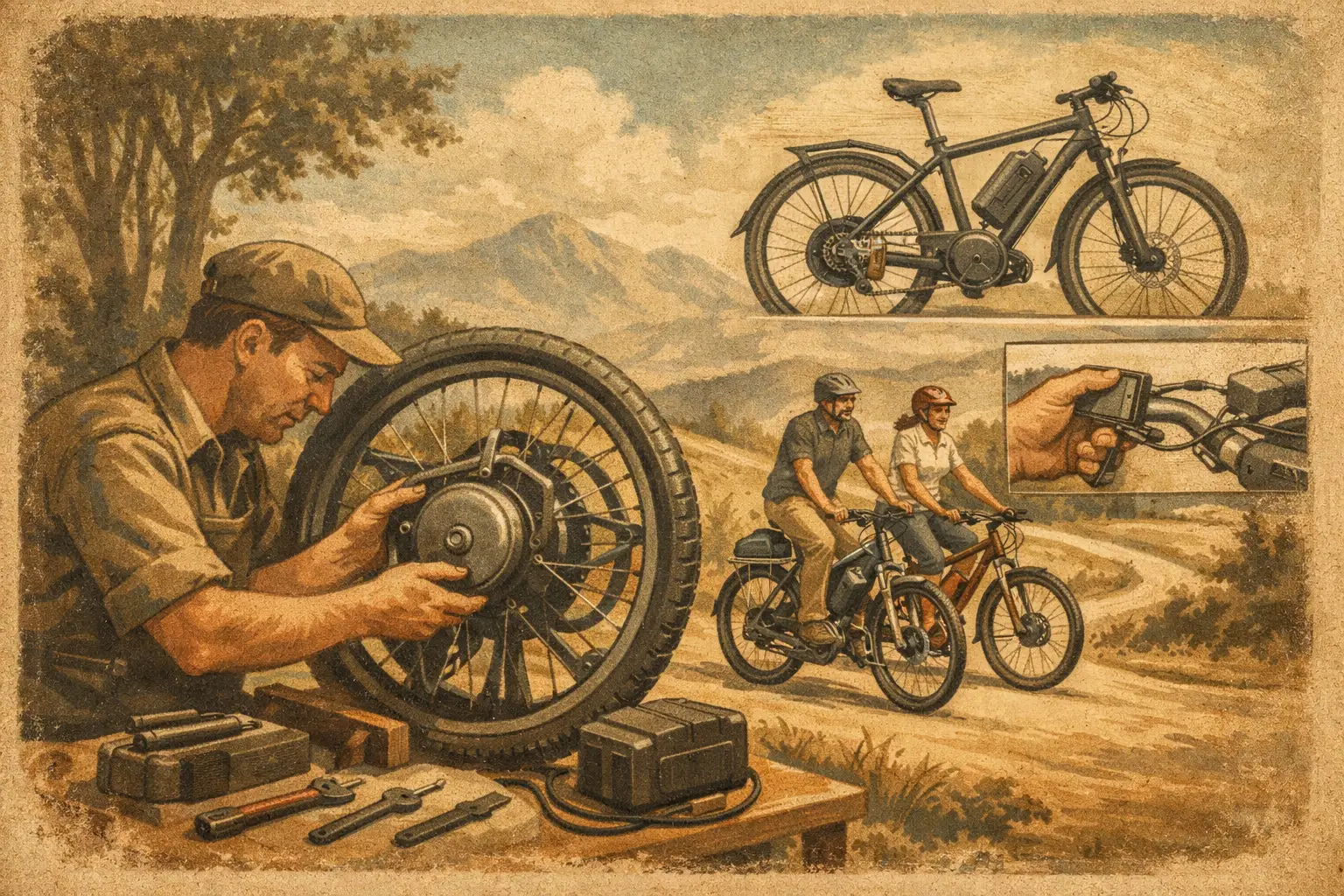
An e-bike conversion or refurbishment can be transformative for an adaptive cycle, particularly where gradients, fatigue or joint pain limit the distance a rider can cover. It can make commuting, accompanying family members or tackling a longer route achievable without turning the cycle into something difficult to control.
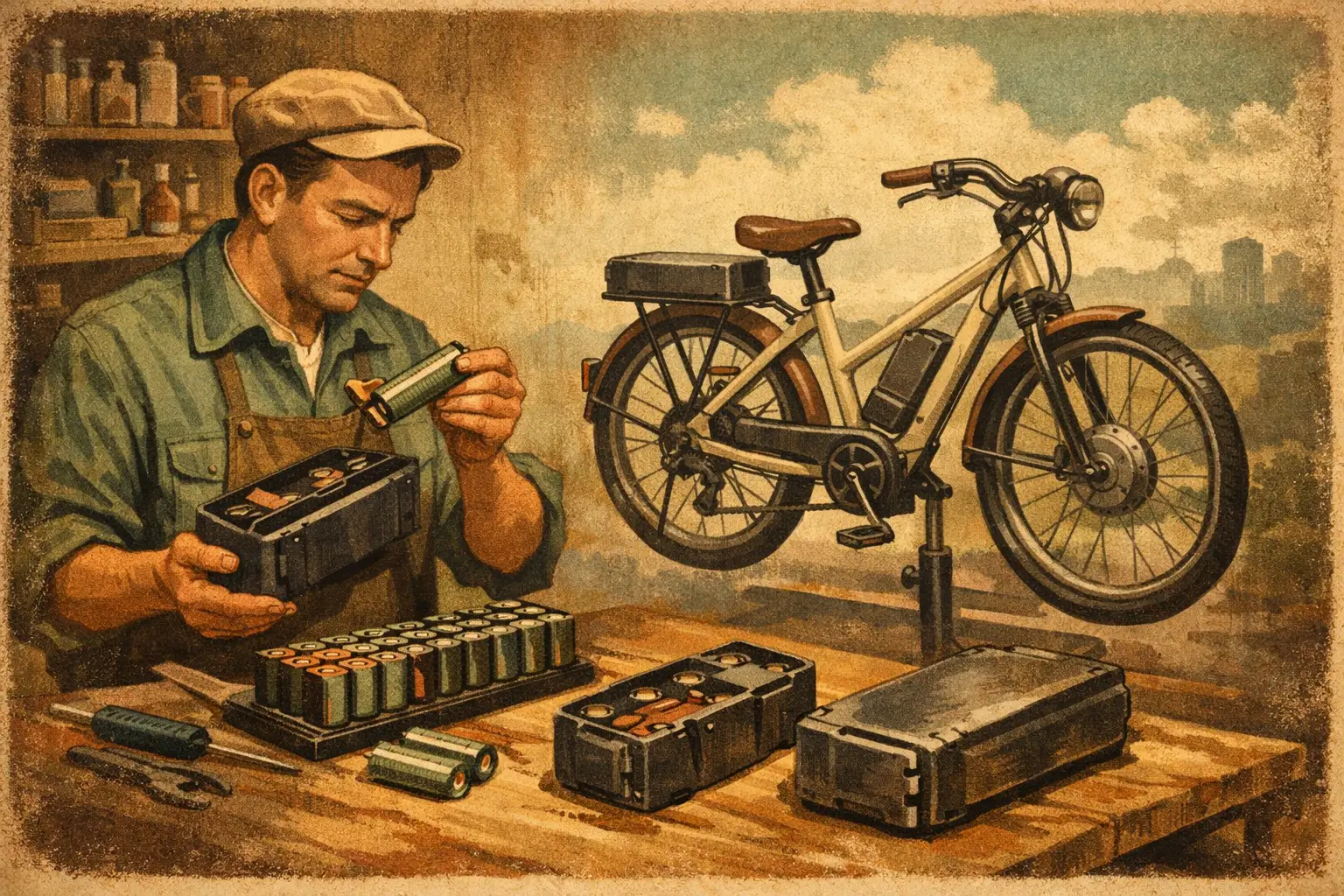
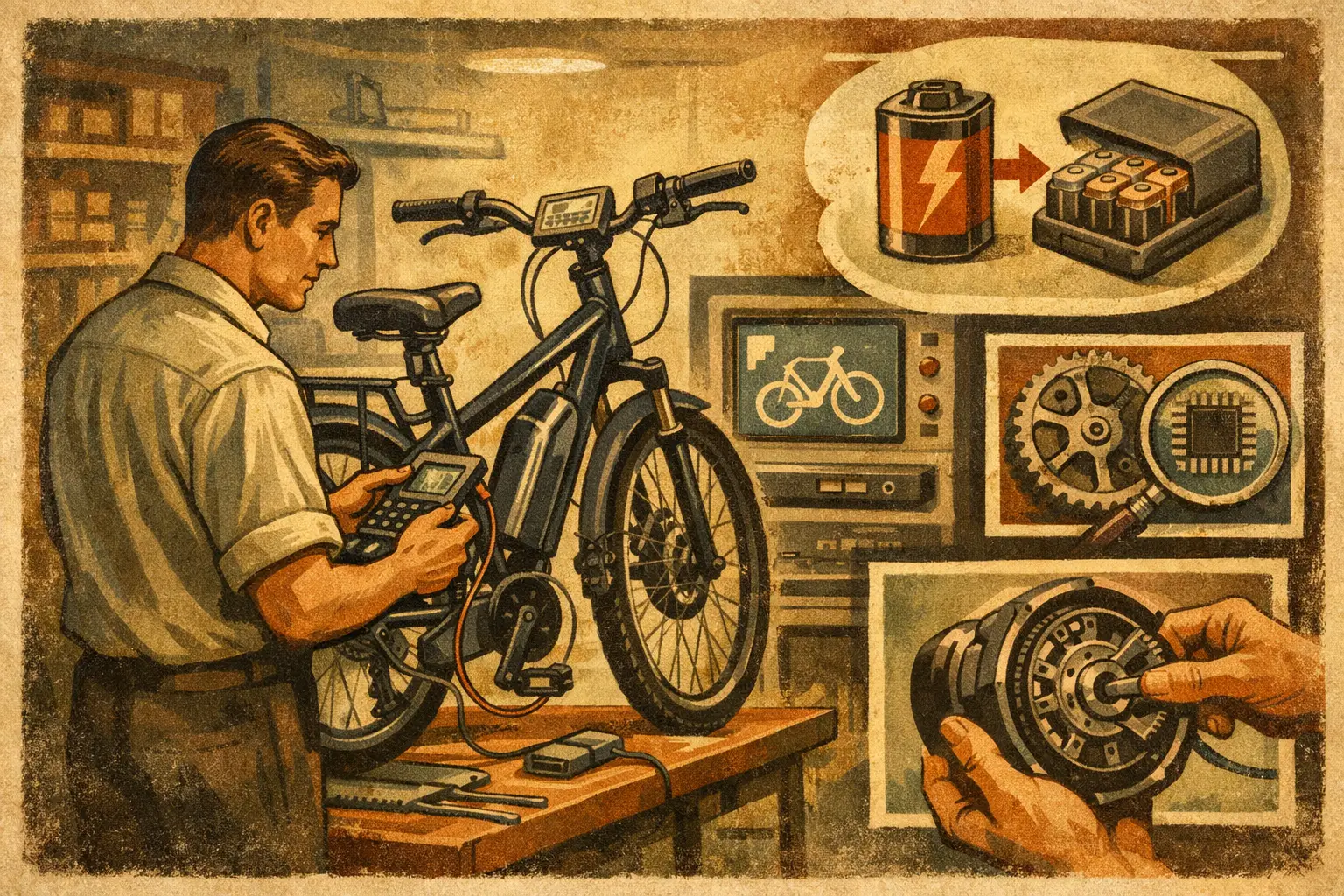
The motor, battery and controls should be chosen for the job rather than headline power. A heavily loaded trike or electric handcycle may need low-speed torque, dependable thermal behaviour and conservative battery mounting more than outright speed. Battery position affects handling, access and the stresses placed on the frame. Cable routing and connectors must remain serviceable, protected and accessible for diagnosis.
Legal use on public roads and paths must also be considered. Some conversions are appropriate for ordinary electrically assisted pedal cycle use; others may fall into a different legal category. The practical question is not merely whether a system fits, but whether it suits how and where the rider intends to travel.
A modification should remain maintainable
A bespoke cycle should not become impossible to service. Fasteners should be accessible, wearing components replaceable and cables or hoses capable of being renewed without dismantling half the machine. This is particularly important where a rider relies on the cycle for work, transport or regular rehabilitation.
At Ewhurst Bikes, modification work is approached as a long-term engineering responsibility. That means agreeing the intended outcome before work begins, identifying any structural concerns and explaining where a proposed solution involves compromises. A free quotation is useful, but so is a direct conversation about what the rider needs the cycle to do next month, next season and several years from now.
When a bespoke solution is worth it
Not every problem requires fabrication. Sometimes a correctly selected stem, alternative saddle, revised gearing or careful control setup is the most reliable answer. Bespoke work becomes worthwhile where standard components cannot provide safe reach, adequate support, suitable load capacity or a durable fit to the existing cycle.
It is also valuable when several smaller problems interact. A rider may be able to brake, shift and pedal independently, but not all while maintaining a stable position on uneven ground. Addressing those issues as one system can produce a result that is safer and less tiring than a sequence of disconnected accessories.
The best adaptive cycle modification is often unremarkable once complete. The controls fall naturally to hand, the structure stays quiet, the machine remains easy to maintain and the rider can focus on the road, trail or journey ahead. If your current cycle is nearly right but not reliably usable, a one-to-one workshop discussion is the sensible place to begin.


Leave A Comment