
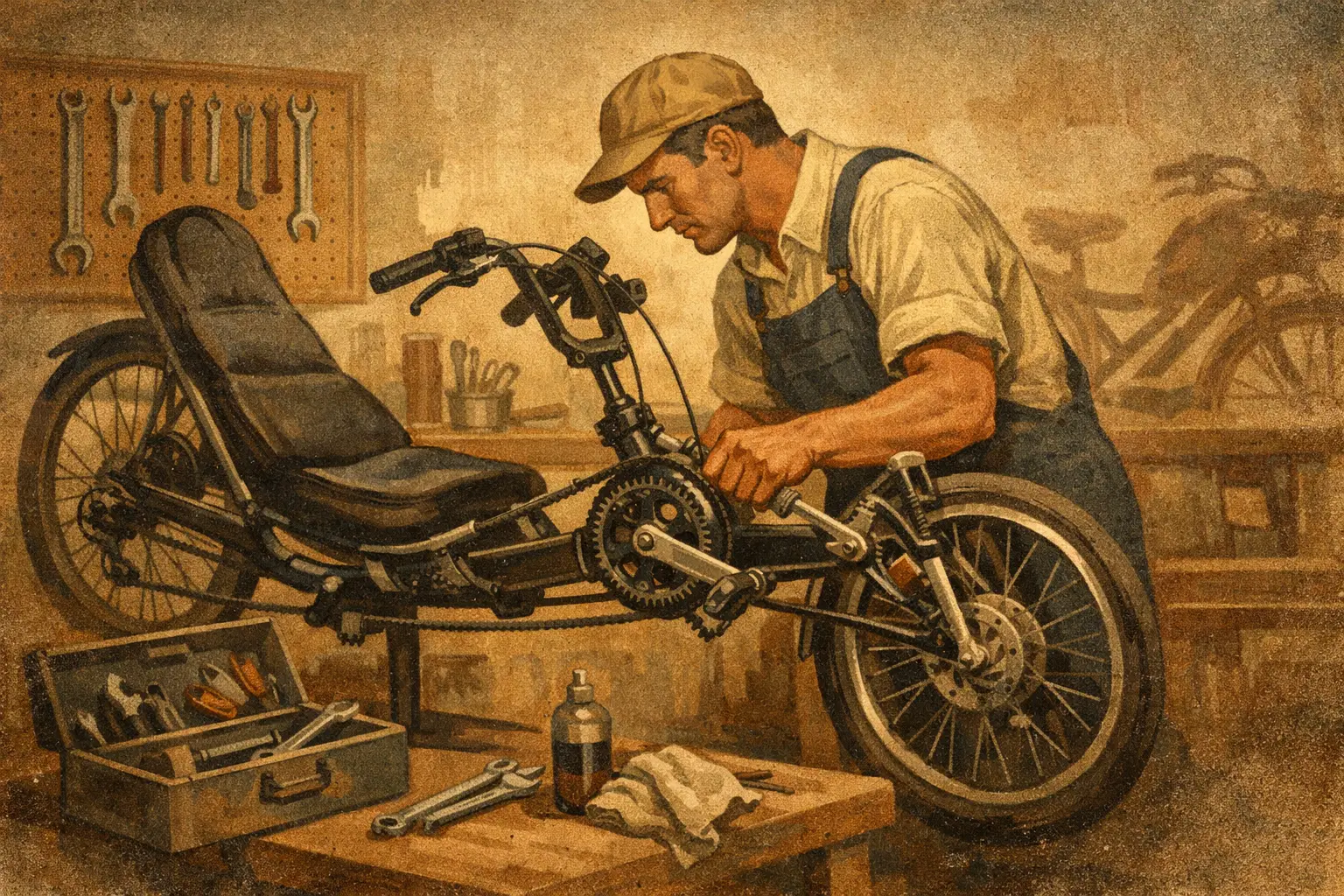
A recumbent bike servicing specialist does more than lubricate a chain and adjust gears. On a recumbent, the relationship between rider, steering, drivetrain, brakes and seating is fundamentally different from an upright bicycle. A small fault can become a steering stability issue, premature drivetrain wear, poor braking confidence or an uncomfortable position that prevents the rider from using the machine as intended.
For touring riders, adaptive cyclists, commuters and long-distance enthusiasts, that distinction matters. A recumbent is often serious transport, essential mobility equipment or the product of careful fit and significant investment. It deserves diagnosis based on loads, alignment and real use, not a generic checklist designed around conventional diamond-frame bikes.
Why recumbent servicing needs specialist judgement
Recumbents place components in unfamiliar positions and subject them to different forces. The chain may run over a long route through idlers, tubes and tensioners. Steering can be under-seat or above-seat, direct or indirect, with linkages, joints and pivot points that need to move freely without developing play. Some machines have rear suspension, folding mechanisms, hub gears, electric assistance or three wheels.
None of this makes a recumbent inherently difficult to maintain. It does mean that a workshop needs to understand what normal looks and feels like for that layout. A rattling idler may be harmless on one design but indicate bearing failure or a chainline problem on another. A light movement at the steering bars might be a joint adjustment issue, or it may point to worn bushes, ovalised mounting holes or an incorrectly preloaded headset.
The same applies to braking. Trikes in particular can expose poor brake balance quickly, especially on wet descents or uneven roads. A recumbent’s low centre of gravity is an advantage, but it does not compensate for seized cables, contaminated rotors, unequal pad contact or a brake lever that reaches the bar before full power is available.
A capable service starts by asking how the bike is used. A daily urban trike, a fast lowracer, an electric handcycle and a loaded touring recumbent require different priorities. Mileage, terrain, rider power, weather exposure, storage and any accessibility requirements all change the work that is sensible.
The service areas that affect reliability most
Drivetrain length, chainline and idlers
The extended drivetrain is the feature most likely to receive superficial attention. A chain can look reasonably clean while being badly worn, stiff in places or running through damaged tubes. Because there is more chain than on an upright bike, replacement cost can be higher, but delaying it can wear chainrings, cassette sprockets and idler teeth far more quickly.
A proper inspection checks chain wear across the full length, not just the exposed lower run. It also examines chain tubes for splits, trapped grit and poor routing. Tubes should protect the rider and frame from chain contact without creating unnecessary drag or a place for water and abrasive debris to collect.
Idlers deserve close attention. Their bearings, teeth, side plates and mounting bolts influence noise, efficiency and chain retention. An idler fitted at the wrong angle can impose side load on the chain, while a worn bearing can make an otherwise well-maintained recumbent feel rough and inefficient. On performance machines, small improvements in chainline can be felt over a long ride. On touring machines, durability and dependable chain retention may matter more than the last fraction of mechanical efficiency.
Steering, headsets and linkage systems
Steering is where a recumbent service must be methodical. Direct steering systems can be straightforward, but indirect systems introduce rods, rod ends, pivots, bell cranks and adjustment points. Wear in several small joints can add up to vague handling even when no single component feels obviously loose.
The inspection should establish whether movement comes from the headset, steering pivot, linkage joint, handlebar clamp, fork crown or frame mounting. Simply tightening everything is not an engineering solution. Overtightening a bearing can create notchiness and accelerate wear; tightening an already worn joint may temporarily hide the symptom while leaving the cause in place.
For trikes, steering alignment is equally critical. Incorrect toe setting can make the machine feel heavy, pull under braking and consume tyres at an alarming rate. Alignment must be assessed with the correct tyre pressures, suitable load assumptions and an understanding of the manufacturer’s configuration. A change in ride height, suspension setting or tyre size can alter the result.
Brakes, wheels and tyre contact
Recumbents often carry more of the rider’s weight towards the rear, while trikes distribute loads across two front wheels and one rear wheel. That affects braking feel, tyre wear and wheel loading. A workshop should inspect rims or rotors, spoke tension, hub bearings, axle security and tyre condition rather than treating wheel work as an optional extra.
On a trike, matched front braking response is a safety issue. Mechanical disc brakes need clean cable runs, correctly bedded pads and calipers centred accurately. Hydraulic systems need a check for leaks, hose damage, piston movement and fluid condition. If a machine pulls to one side under firm braking, the answer may be as simple as a contaminated pad or as involved as a seized piston, cable friction or unequal tyre grip.
Tyres also need to suit the job. Fast, lightly built tyres can transform a smooth-road machine, but they are a poor trade-off for rough lanes, glass-strewn commuting routes or heavily laden touring. The right choice balances rolling resistance, puncture protection, casing comfort, clearance and load rating.
Suspension, folding joints and frame condition
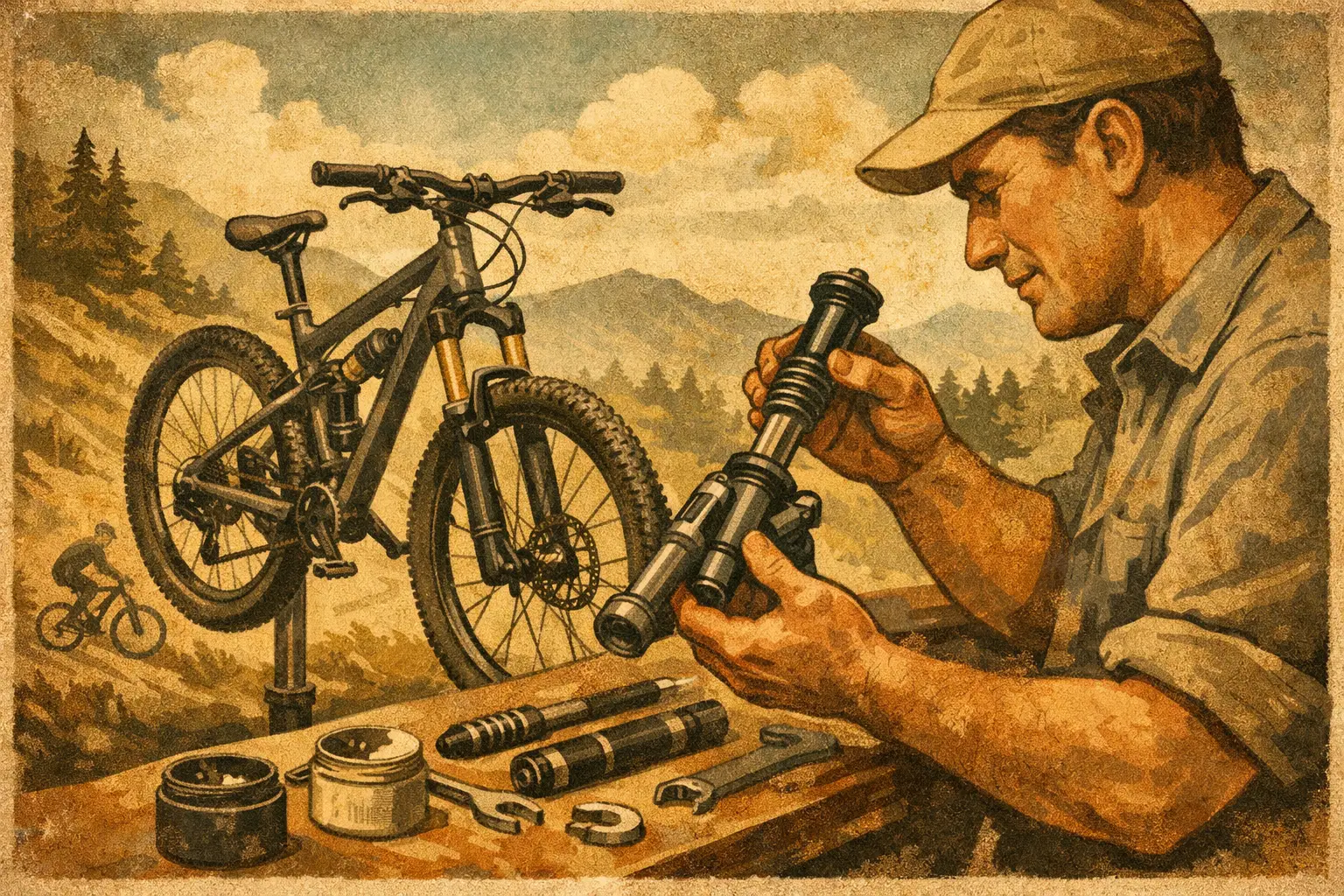
A suspended recumbent can be exceptionally comfortable and controlled, but pivots and dampers are service items. Pivot bearings, bushings and mounting hardware should be checked for side play, corrosion and correct preload. A rear shock that has lost damping, or a spring rate unsuitable for the rider and luggage, can make a stable machine feel unsettled and can increase stress on other components.
Folding recumbents and trikes need particular care around hinges, latches and safety catches. These joints are structural interfaces, not merely conveniences. Wear, misalignment or repeated operation without cleaning can create poor fit between mating surfaces. If a hinge closes with unusual resistance, develops play or no longer locks positively, it needs investigation before the bike is ridden hard.
Frame inspection should look beyond obvious cracks. Aluminium, steel, titanium and carbon fibre fail in different ways, and recumbent frames often include highly loaded boom clamps, seat mounts, steering supports and suspension brackets. Paint disturbance, fretting marks, corrosion around inserts, distorted tubes and cracking near welds all warrant a closer look.
Where damage is suspected, the sensible course is diagnosis before repair. Welding a visible crack without establishing why it formed can return the bike to service with the original stress concentration, inadequate reinforcement or alignment problem still present. Structural repair may require redesign, reinforcement or a change to the component arrangement, not simply a neat weld bead.
Electric and adaptive recumbents need a wider check
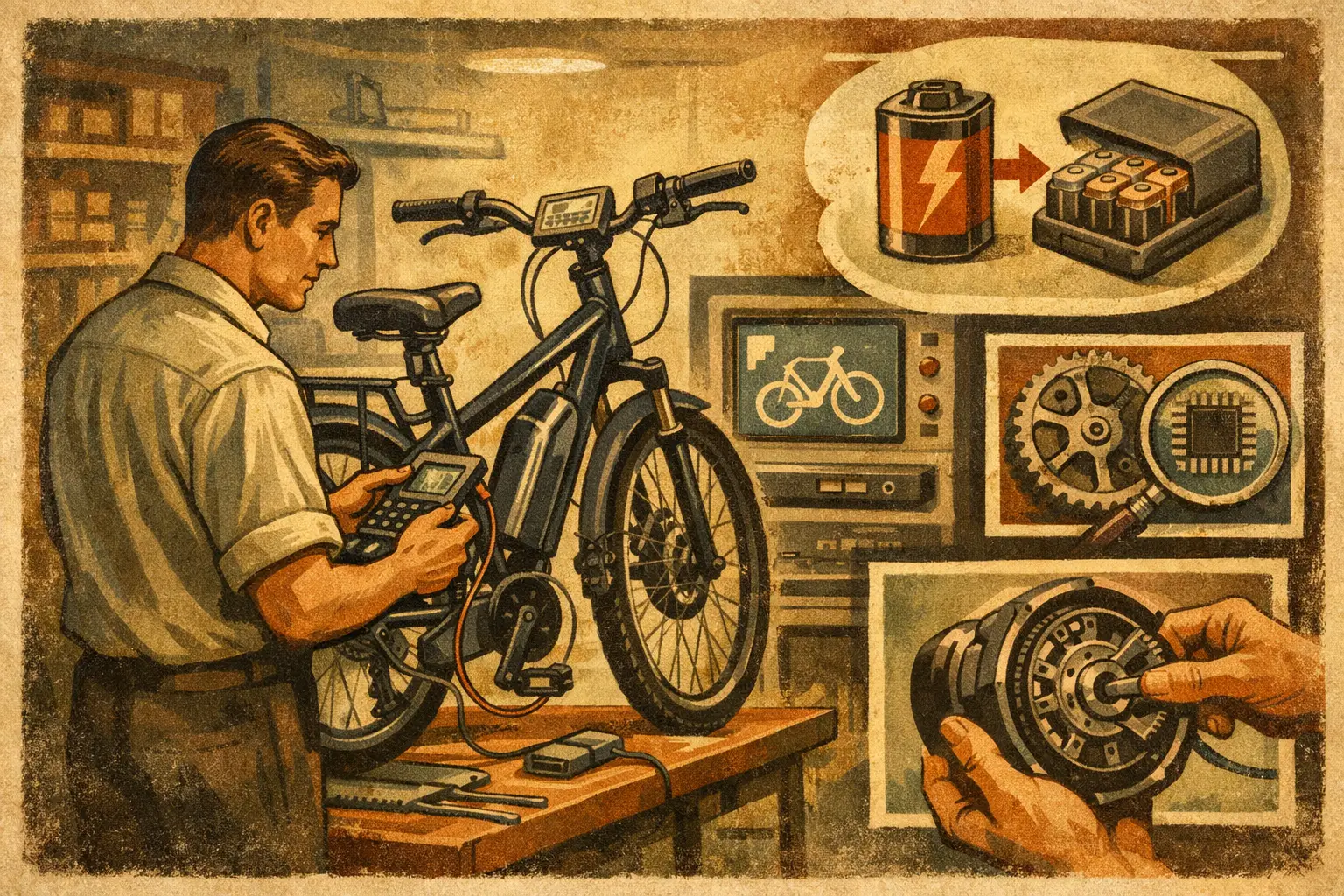
Electric assistance adds useful range and accessibility, but it adds electrical, thermal and mechanical demands. Servicing should include connectors, cable routing, battery mounts, display controls, sensor alignment and motor fasteners alongside the ordinary bicycle checks. A motor fault can be caused by a damaged cable, moisture in a connector, brake cut-off issue, controller problem or battery management fault. Replacing expensive parts without diagnosis is wasteful.
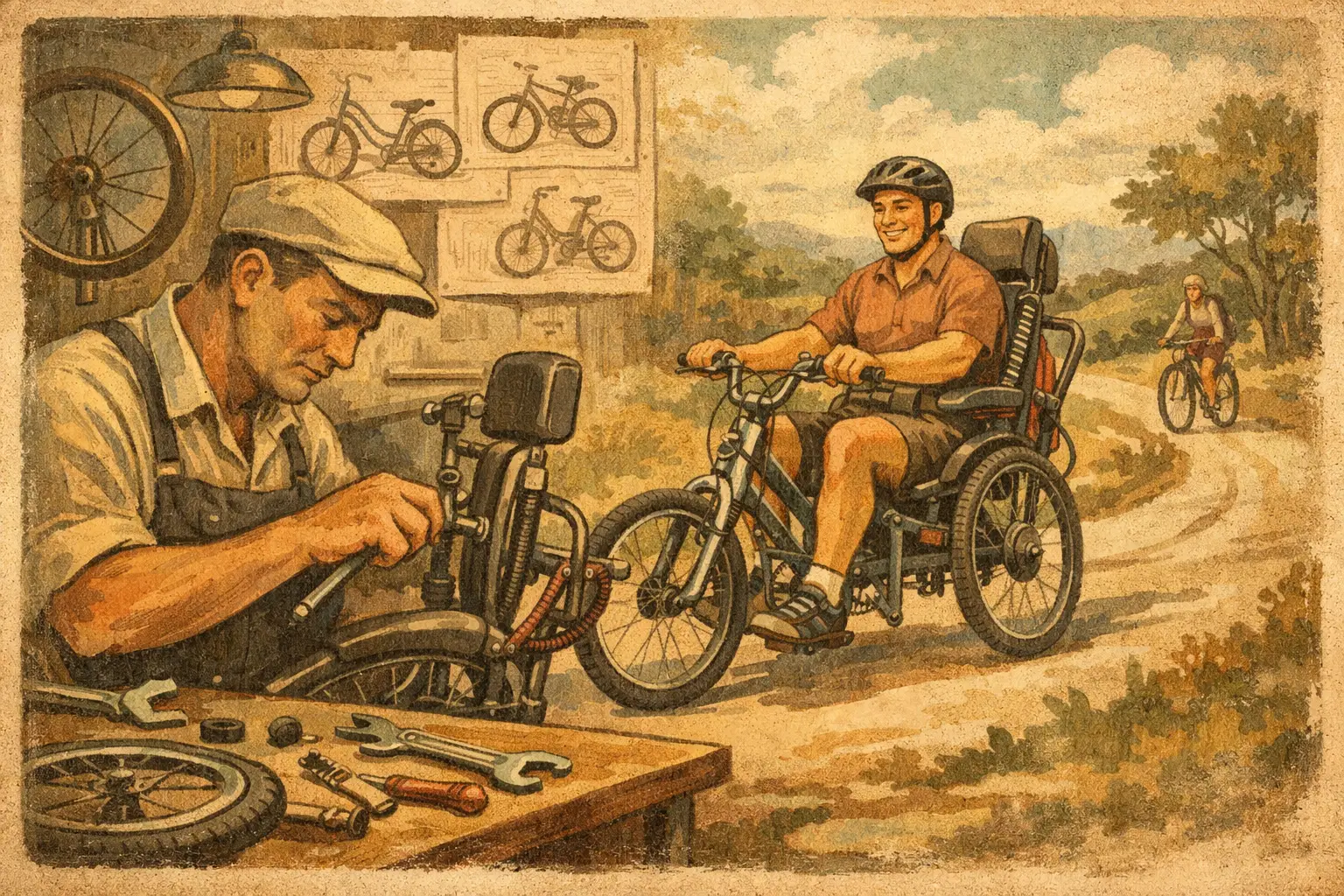
Adaptive cycles and handcycles require especially careful attention to control position and rider interface. Lever reach, steering effort, crank or hand-pedal clearance, restraint systems, transfer access and seating support can all affect safety and independence. The correct adjustment is personal. It should be tested with the rider where possible, rather than assumed from a workshop stand.
What to expect from a recumbent bike servicing specialist
Before approving work, expect a clear conversation about symptoms, use and priorities. The workshop should distinguish between urgent safety work, reliability work and worthwhile upgrades, then explain the reasoning in plain terms. A rider preparing for a Scottish tour may need preventive replacement of a tired chain, bearings and cables; a lightly used leisure trike may only need targeted adjustment and a careful inspection.
At Ewhurst Bikes, recumbents, adaptive cycles and electric machines are approached as engineered systems. That means tracing noise, instability, wear or failure to its source, checking the effect of any modification on the whole machine, and agreeing work before it proceeds. It is a more useful approach than replacing parts until the symptom becomes quieter.
Bring the bike in clean enough for meaningful inspection, along with any charging equipment, keys, unusual fasteners or manufacturer information relevant to the problem. Describe when the fault occurs: under power, during braking, after an hour in the saddle, on rough ground or only when folded. Those details often shorten diagnosis considerably.
A well-serviced recumbent should not merely roll out of the workshop feeling tidier. It should steer predictably, stop evenly, run quietly, fit the rider properly and be ready for the miles that matter to them. If yours has begun to feel vague, noisy or less trustworthy, booking an appointment before a minor issue becomes a trip-ending one is usually the best investment you can make.





Leave A Comment