
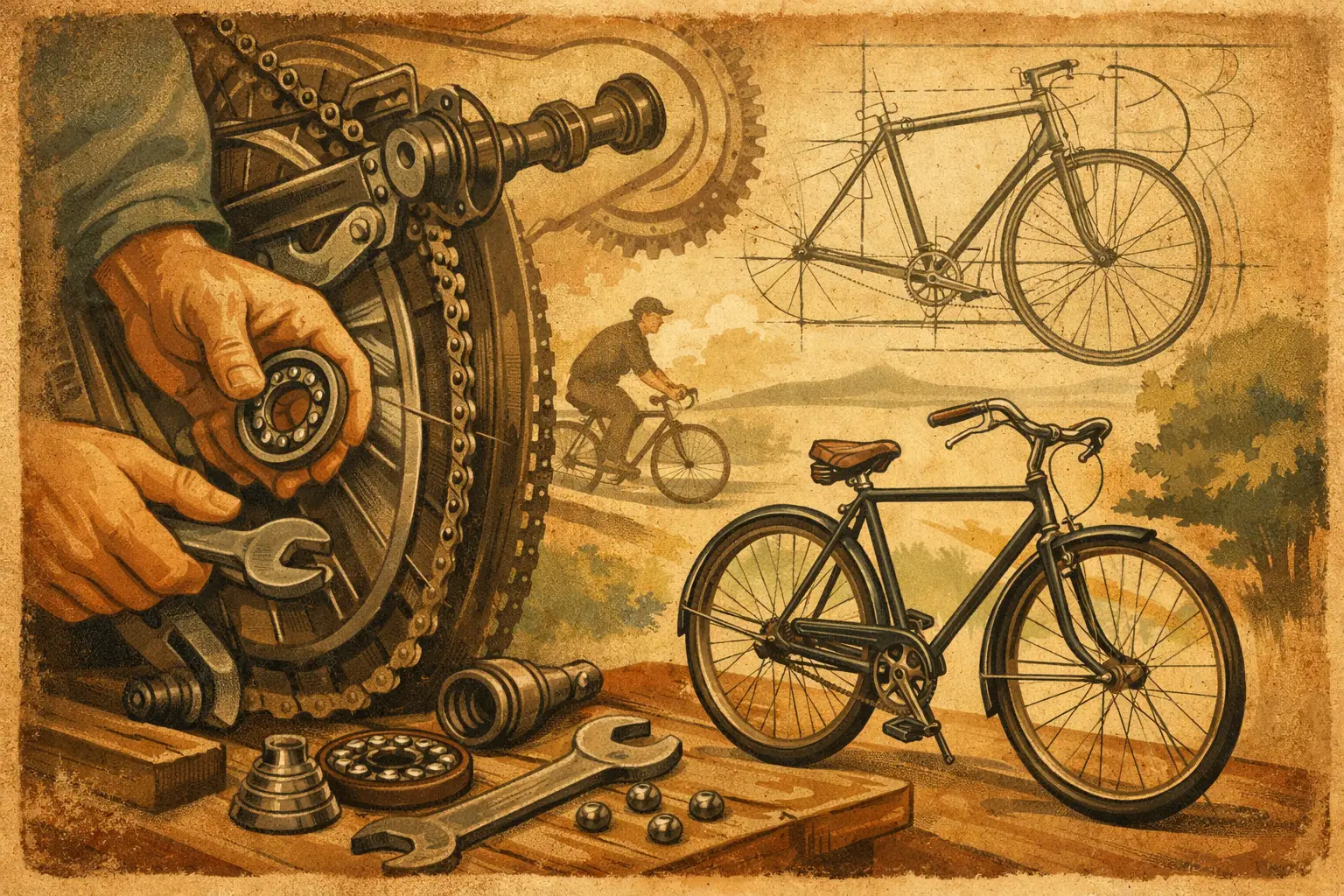
A bicycle can look immaculate and still be poorly engineered for the job it is asked to do. A recurring broken spoke, a crack beside a weld, unstable loaded steering or hands that go numb after two hours are not merely maintenance annoyances. They are clues. Bicycle engineering is the discipline of reading those clues, understanding the loads behind them and making changes that improve safety, durability and the way the bike rides.
For serious riders, this matters more than the latest component launch. British roads, bridleways, winter grit and long-distance events expose weak assumptions quickly. The right engineering approach does not begin with a catalogue. It begins with the rider, the terrain, the history of the machine and a clear definition of what has actually failed.
What bicycle engineering really covers
At its best, bicycle engineering sits between mechanical design, materials science and practical workshop experience. It covers the obvious work – frame construction, wheel building, braking, gearing and bearing systems – but also the less visible relationships between them.
A frame is not simply a collection of tubes joined together. Its tube diameters, wall thicknesses, heat treatment, weld placement and geometry determine how it responds to pedalling force, road impact, luggage, braking and repeated fatigue cycles. A wheel is not simply round when it leaves the stand. Spoke count, lacing pattern, rim profile, tension balance, hub flange geometry and intended tyre pressure all affect whether it remains true and reliable thousands of miles later.
The same principle applies to fit. A shorter stem can make a bike feel more direct, but it may also put too much weight over the front wheel or alter the rider’s posture enough to create shoulder pain. Wider tyres can improve control and comfort, yet clearances, rim width, mud accumulation and frame stiffness must be considered before treating them as an automatic upgrade.
Good engineering considers the complete system, including the rider. There is rarely one universally correct answer. A light climber’s road bike and a steel touring bike built for winter lanes should not be judged by the same priorities.
Why failures deserve investigation, not just repair
A crack is a symptom, not a diagnosis. Repairing the visible damage without establishing why it occurred can put the rider back on the road with the same stress concentration, misalignment or unsuitable loading condition that caused the original failure.
Consider a crack at a titanium chainstay bridge or around a dropout. The cause may be a local design feature, an earlier repair, a bent derailleur hanger, repeated loads from luggage, corrosion under a fitting, poor weld penetration or a combination of several factors. A sound repair may require more than welding. It may need alignment checks, removal of damaged material, a revised reinforcement detail and a sensible assessment of the frame’s future use.
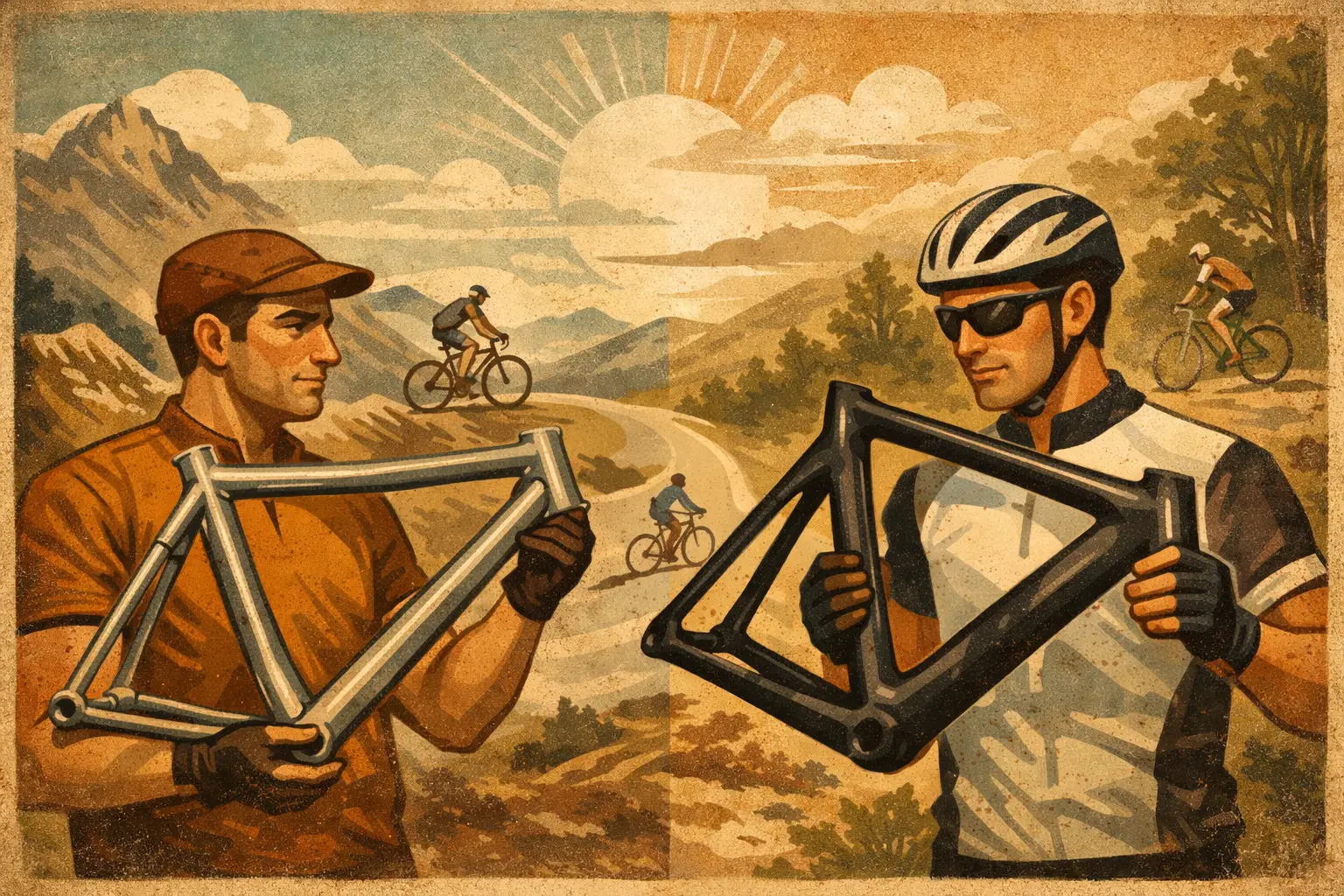
Carbon requires the same discipline, although the methods differ. Surface damage can be cosmetic, while an apparently minor impact can compromise fibres beneath the paint. Aluminium has its own complications around heat affected zones, and steel may hide corrosion inside a tube long before it becomes obvious outside. Material matters, but the loading path and the quality of the original construction matter too.
This is where engineering-led failure analysis earns its keep. It replaces guesswork with an examination of load direction, fatigue history, geometry, material condition and the consequences of any proposed repair. The aim is not to make a bike look repaired. It is to make an informed decision about whether it can be returned to service safely and how its life can be extended.
The performance gains riders actually feel
Not every worthwhile improvement is dramatic on a workshop stand. The biggest gains are often felt after four hours in the saddle, on a wet descent or when a loaded bike remains calm over broken tarmac.
Wheel engineering is a strong example. A well-built wheel has even, appropriate spoke tension and components selected for the rider’s weight, tyre volume, terrain and expected load. It can feel more precise in corners, stay stable under braking and demand less corrective work over time. Chasing minimum weight with too few spokes or a fragile rim can make sense for a tightly defined race application. For year-round road riding, gravel events or touring, resilience is usually faster over a season because the bike stays in service.
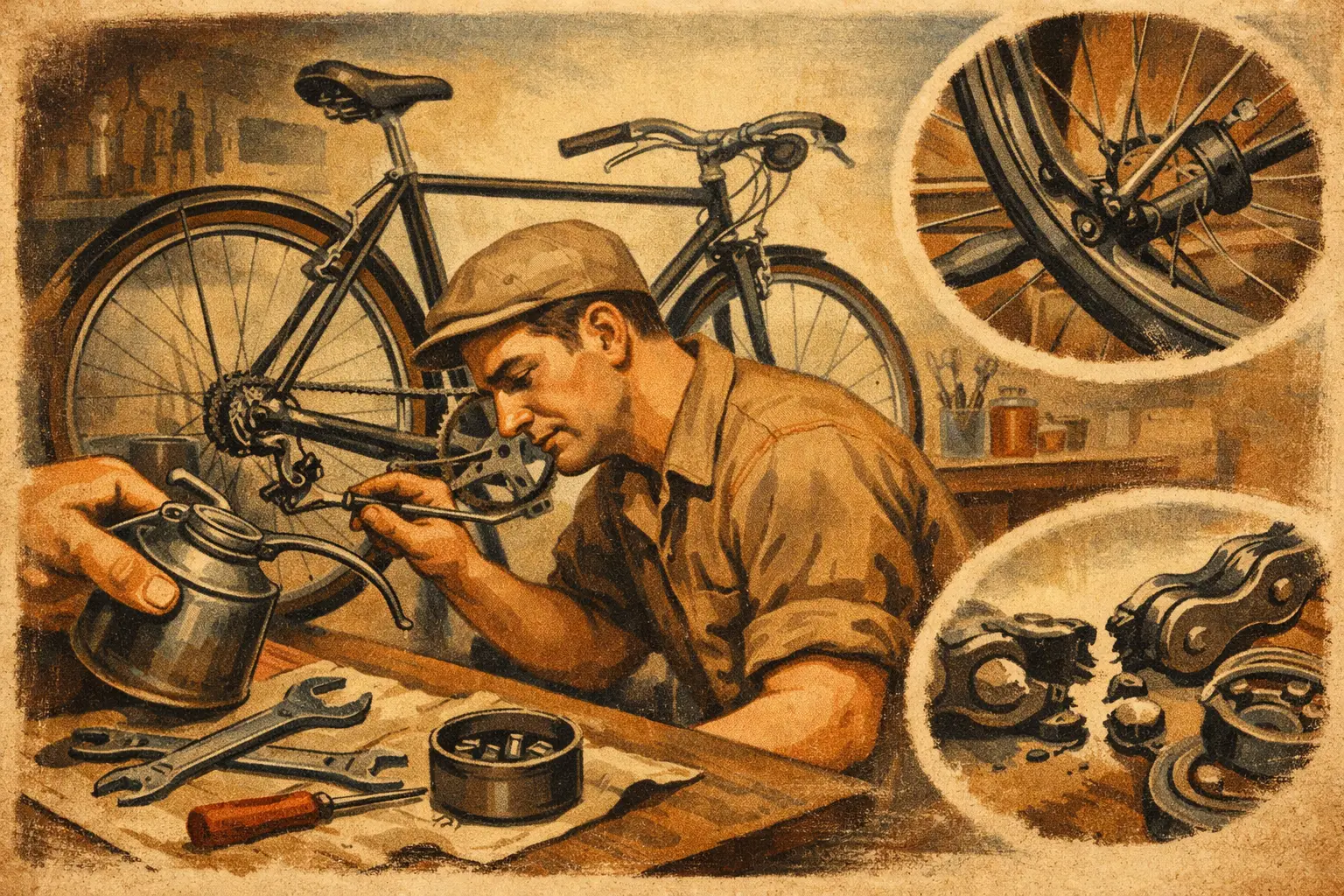
Bearing work is equally undervalued. Rough headset bearings can make a front end feel vague. Worn suspension pivots can imitate poor damping. Bottom bracket movement may be blamed on the crankset when the real issue is a contaminated interface or damaged frame shell. Proper servicing identifies the source before parts are replaced.
Tyres, contact points and position also deserve more respect than they receive. A rider who is comfortable can produce power for longer and make better decisions when tired. That does not mean setting every bike up soft or upright. It means establishing a position and component choice that suit the rider’s event, flexibility, injury history and terrain.
Weight is only one design variable
Cycling marketing has trained riders to view grams as a universal measure of quality. Weight matters, particularly where climbing and acceleration dominate, but it is only one variable in a much larger equation.
A slightly heavier fork with suitable tyre clearance, dependable mounts and controlled handling may be the better choice for an all-weather endurance bike. A repairable steel or titanium frame can offer better lifetime value than a lighter product that becomes uneconomic after a minor accident. For an ultra-distance rider, reliable lighting provision, stable luggage mounting and a wheel that will survive remote roads can be worth far more than a marginal saving on a scale.
Engineering asks what the bike must do repeatedly, not what it can claim once.
Designing for British riding conditions
UK riding asks a lot of equipment. Rain carries grit into drivetrains and bearing seals. Road surfaces change rapidly from smooth to broken. Gravel routes can include mud, ruts, gates and road transfers in the same day. A bike designed solely around dry-weather speed may become expensive and frustrating to own.
Practical design starts with clearances. Space for a tyre is not necessarily space for that tyre when it collects mud. Guard clearance must allow for real guards, stays and debris. Cable routing should support reliable shifting and braking while allowing sensible future maintenance. Threaded interfaces, serviceable bearings and available replacement parts may be less glamorous than hidden cables or proprietary fittings, but they can be decisive after years of use.
Geometry should also reflect actual riding. A fast road position, a gravel race position and a loaded expedition position each need different compromises in reach, trail, stack, wheelbase and weight distribution. Copying a fashionable geometry number from another bike is a poor substitute for understanding how and where it will be ridden.
At Ewhurst Bikes, bespoke builds and structural work are approached from that practical starting point: establish the demand, inspect the equipment and agree the right course before work begins. That may mean restoration, reinforcement, a wheel rebuild, a component change or an honest recommendation not to spend money on a frame that cannot be made suitable for its intended use.
When modification is the right answer
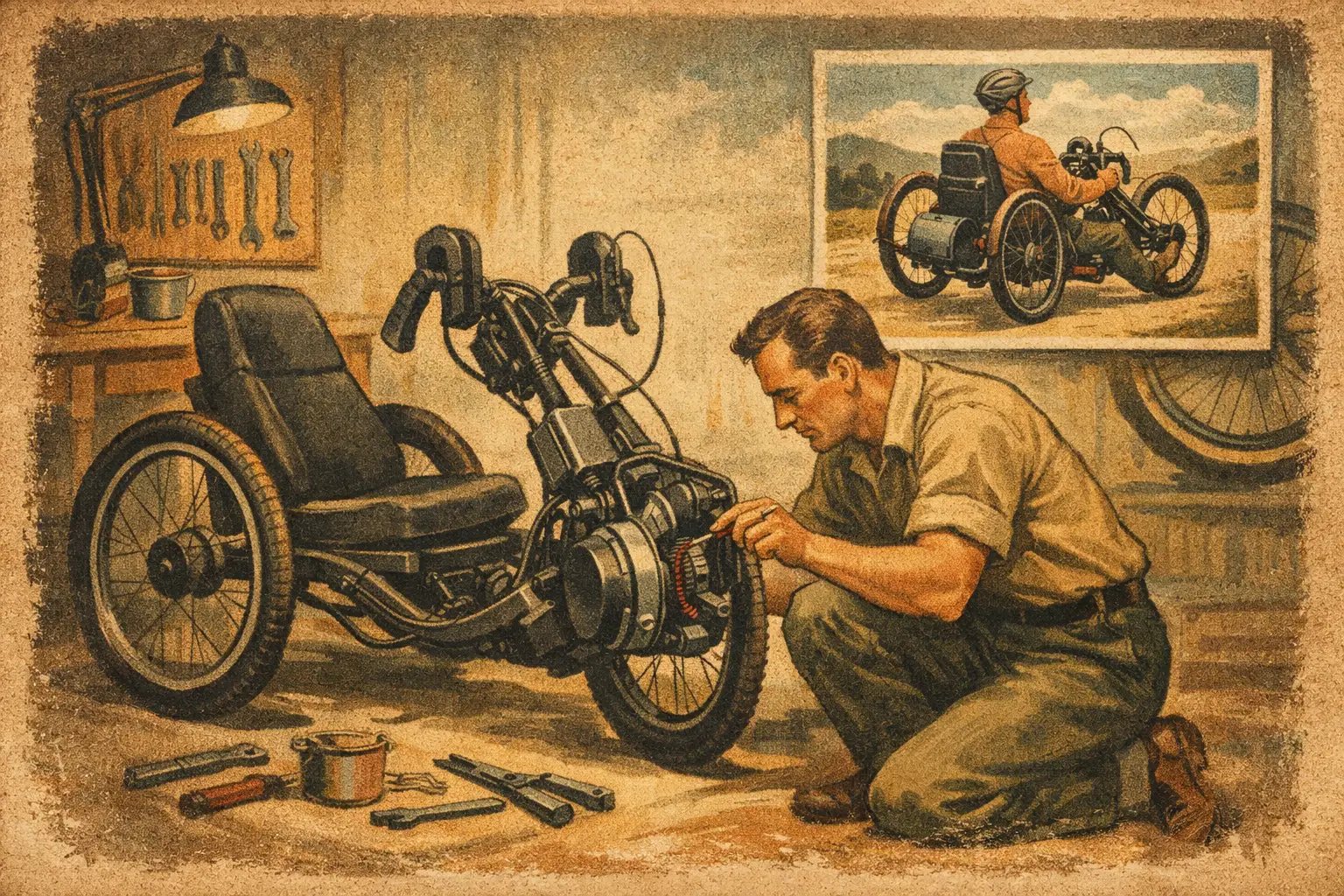
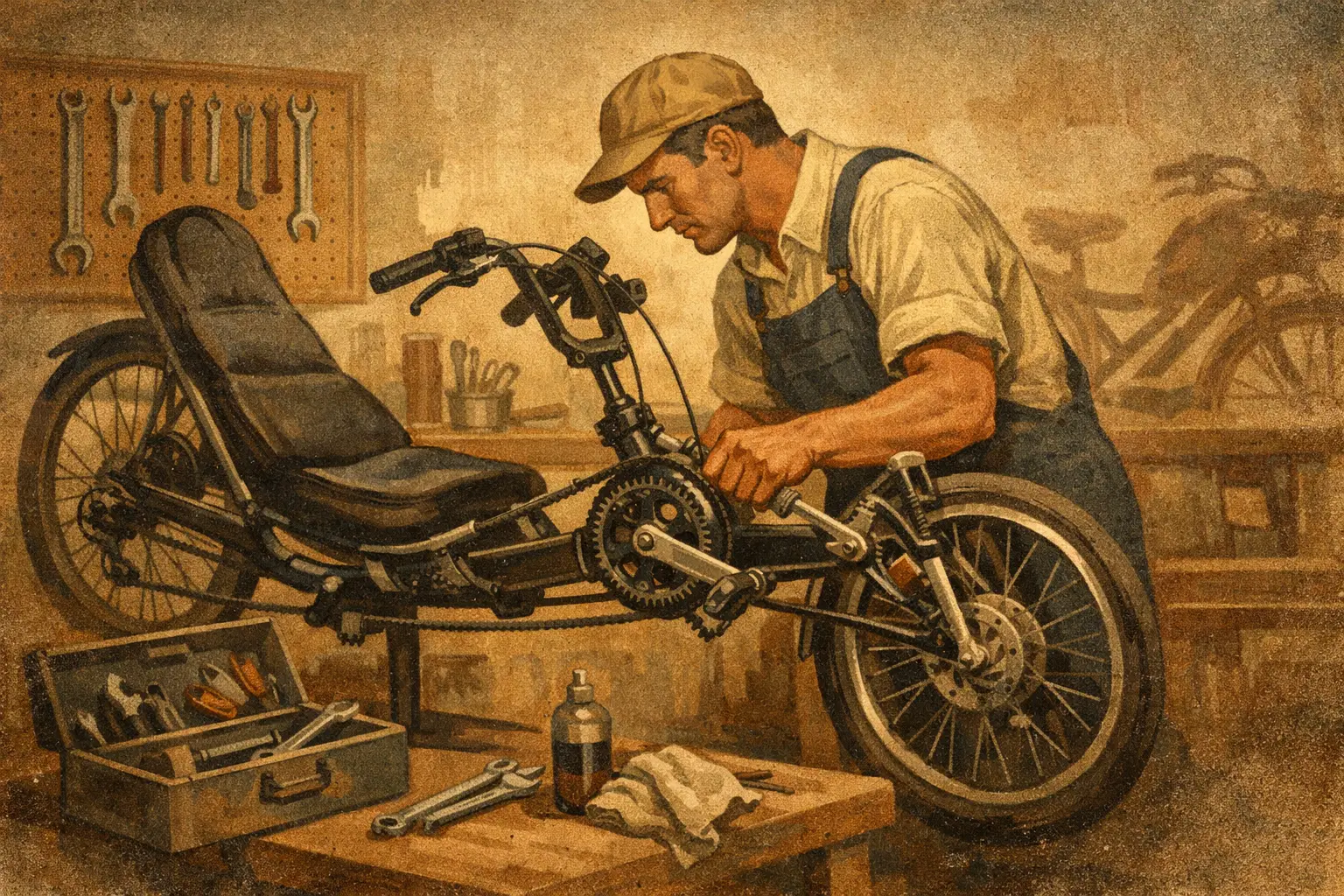
Modification is not automatically a compromise. Done properly, it can turn an almost-right bike into a machine that supports years of riding. Extra bottle mounts for endurance events, revised luggage provision, altered cockpit dimensions, e-bike system refurbishment or adaptive-cycle adjustments can be entirely rational changes when they are designed around the structure and purpose of the bike.
The caution is that every alteration introduces loads. Adding a rack mount changes how force enters a frame. Cutting, drilling or heating a structure without understanding the material can create a new weak point. Converting a bike to electric assistance changes torque demand, speed, braking requirements and often wheel loading. The solution must account for these changes rather than treating the motor or bracket as an isolated add-on.
For e-bikes, diagnosis should include the battery, connections, motor, sensors, controller behaviour, drivetrain wear and braking system. A fault code alone does not explain why a system failed. Likewise, replacing a battery without considering charging history, water ingress and connector condition may only postpone the next problem.
A better question to ask of your bike
Rather than asking whether a component is an upgrade, ask whether it removes a real limitation. Is the bike comfortable enough to hold your intended pace? Is its handling predictable with the tyres and load you use? Are its wheels built for your riding? Has a crack been investigated, or merely covered? Can the machine be serviced and repaired five years from now?
Those questions lead to better decisions than fashion, and usually better value than repeated replacement. If your bike has a persistent problem, has suffered damage or needs to be built for a demanding ride, bring the details to a proper engineering conversation. The most useful next step is often not buying another part, but finding the cause and giving the bike a job it is genuinely designed to do.

Leave A Comment