
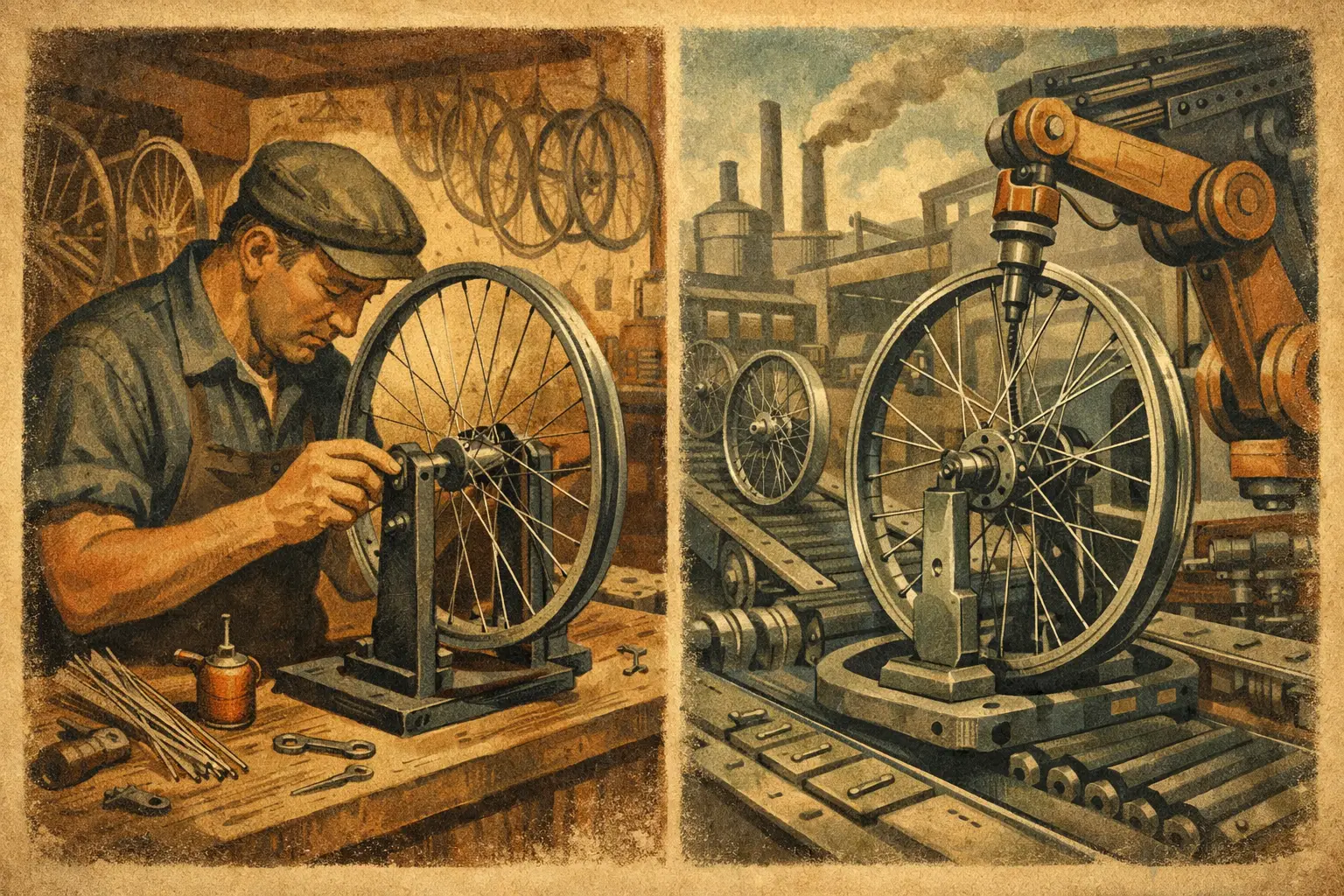
A wheel that repeatedly loosens spokes, cracks around the rim eyelets or eats bearings is not merely an inconvenience. It changes how a bike tracks, brakes and handles under load. The question of handbuilt versus factory wheels matters most when the riding gets real: winter roads, rough gravel, loaded touring, hard cornering and long days far from a convenient bike shop.
A good factory wheelset can be light, precise and excellent value. A properly specified handbuilt wheel can be more appropriate, more repairable and considerably longer-lived. Neither label, on its own, tells you whether a wheel is good. The useful question is whether its design, components and build quality suit the rider, bicycle and terrain.
Handbuilt versus factory wheels: the engineering difference
Factory wheels are built in volume, usually around a fixed specification. The leading brands use sophisticated machinery, consistent components and, in many cases, very effective quality control. For a rider of average mass using a bike as intended, a good factory wheelset can offer a very capable package straight from the box.
The limitation is that the specification is necessarily a compromise. Spoke count, lacing pattern, rim depth, hub engagement, bearing type and maximum system weight have been selected for a broad market. A 60 kg fair-weather road rider and a 100 kg all-season rider carrying tools on rough lanes may buy the same wheelset, but they do not impose the same loads.
A handbuilt wheel starts with those loads. Rim, hub, spokes, nipples and lacing pattern can be selected as a system rather than as a catalogue bundle. The builder can account for rider weight, power, tyre volume, brake type, luggage, wheel size, terrain and the asymmetric spoke geometry of modern disc-brake frames.
That is not romanticism about traditional craft. It is applied mechanics. Spokes work most effectively when they begin with even, sufficient tension. A wheel built with appropriate components, accurate spoke lengths, correct stress relieving and balanced tension is better able to retain its shape and tolerate repeated fatigue cycles.
What factory wheels do well
It is wrong to dismiss factory wheels as disposable. Premium factory wheels can be exceptionally light and aerodynamically developed. Carbon rim profiles, matched hubs and proprietary spoke systems allow brands to make performance gains that would be difficult to reproduce from standard parts.
For racing on good roads, especially where low rotating mass and aerodynamic efficiency are priorities, a factory wheelset may be the right answer. Many are tubeless-ready, supplied with a clear warranty and designed as a proven complete system. Riders who want a defined product, rather than a consultation and a tailored specification, may also prefer the simplicity.
There is another practical advantage: heavily discounted factory wheels can be very good value. If a sound, suitable wheelset is available at a price lower than its component cost, it deserves consideration.
The caution is to look beyond the claimed weight and rim depth. Check the stated rider and system-weight limit. Establish whether replacement spokes, nipples, freehub bodies and bearings are readily available in the UK. Ask whether the wheel can be trued with ordinary tools, and whether a local workshop can source the correct parts five years from now.
A wheel is only as useful as its supportability after the first pothole, bearing failure or damaged spoke.
Where a handbuilt wheel earns its keep
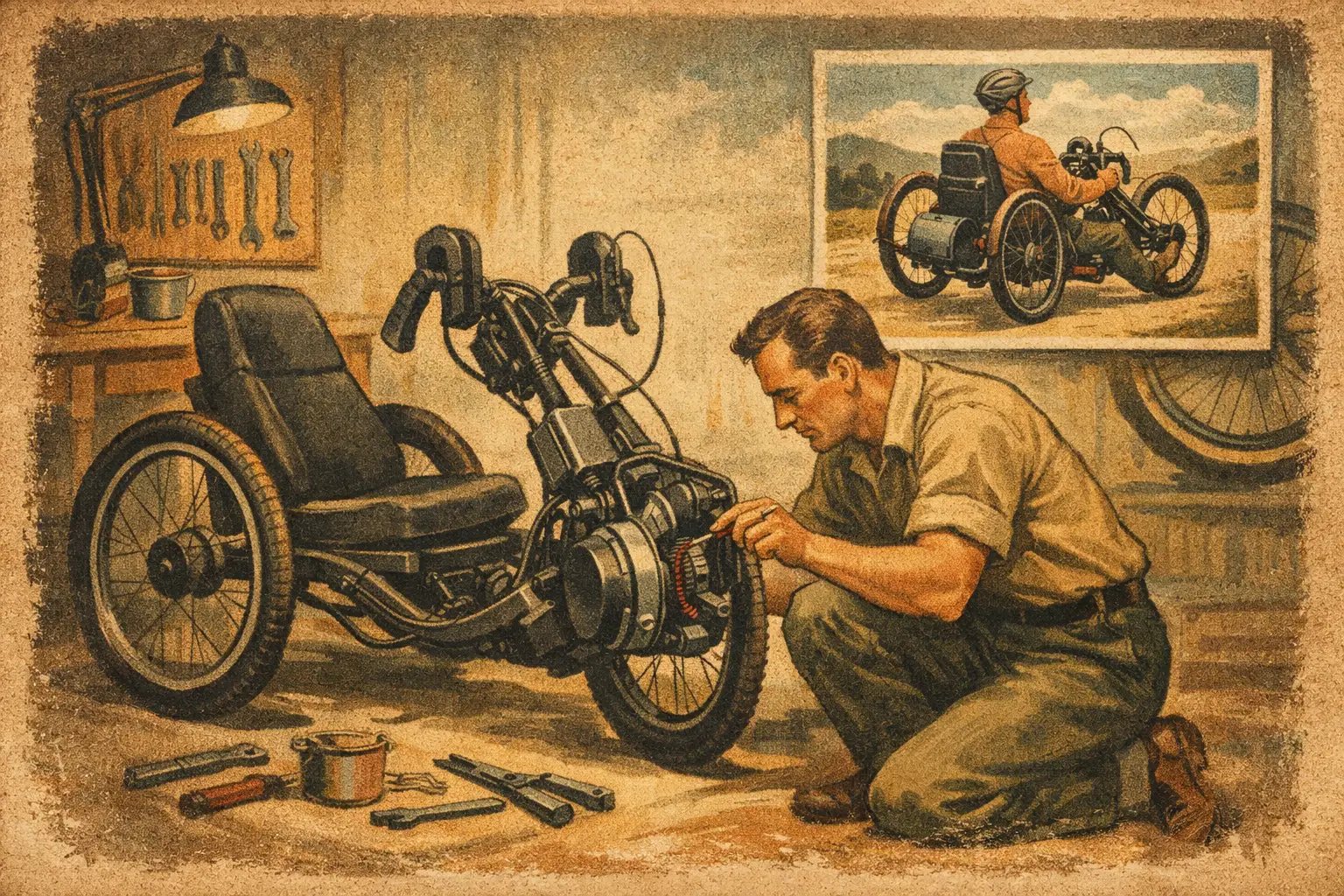
Handbuilt wheels are particularly valuable when a rider falls outside the assumptions made by a mass-market wheel specification. That includes heavier riders, tandem and cargo applications, touring bikes, expedition machines, adaptive cycles, powerful e-bikes and riders who simply use their bike through every British season.
For gravel and endurance road riding, the aim is rarely the lowest possible number on a scale. It is a wheel that stays true under wide tyres at lower pressures, resists fatigue on broken surfaces and can be serviced without replacing an entire assembly. A well-chosen aluminium rim with conventional spokes may weigh slightly more than a fashionable carbon option, yet deliver better value over several winters.
The same principle applies to mountain bikes. A rider who regularly dents rims or breaks spokes may not need a stronger-looking wheel. They may need a different rim section, a more suitable spoke count, improved spoke bracing angles, or a build with better tension balance. Replacing like for like without diagnosing the failure merely repeats the cost.
At Ewhurst Bikes, wheel building is approached as part of the bicycle’s wider engineering system. Tyre choice, frame clearance, axle standard, rotor fit, cassette body, spoke availability and intended loading all affect the final specification. The best wheel is the one that supports the whole machine safely and predictably.
Spoke count is not a fashion statement
Low spoke counts can produce a clean appearance and small aerodynamic gains, but fewer spokes leave less redundancy. If one spoke fails in a 16-spoke wheel, the local load change is substantial and the wheel may go badly out of true. A 28-, 32- or 36-spoke wheel has more support points and usually remains rideable after a single spoke failure.
That does not mean every rider needs 36 spokes. A light rider on smooth roads may gain nothing from them. But for touring, commuting, rough gravel, larger riders and e-bikes, adequate spoke count is cheap insurance. The correct answer depends on the job, not current marketing.
Component choice determines the repair path
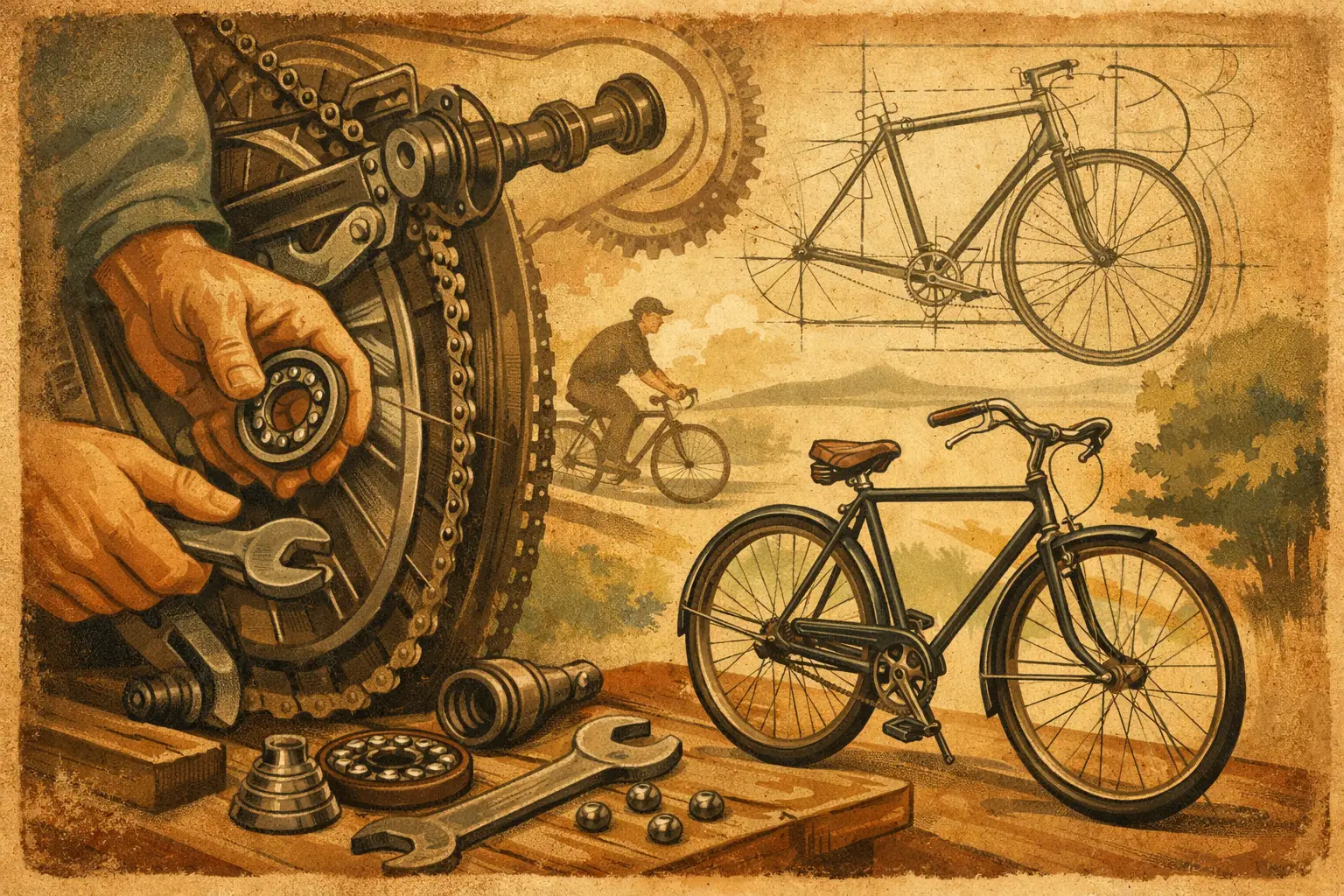
A handbuilt wheel can use standard J-bend or straight-pull spokes, conventional nipples and serviceable hubs from manufacturers with available spares. This makes routine truing, bearing replacement and spoke renewal straightforward. Brass nipples add a small weight penalty but are often the sensible choice for year-round use because they better resist corrosion and nipple seizure.
Some factory wheels also use standard parts and are perfectly serviceable. Others depend on proprietary spokes, nipples, rim washers or hub internals. Those designs may perform well, but riders should understand the consequence: a minor repair can become a parts search or an expensive rebuild.
Weight, stiffness and comfort are commonly misunderstood
A very stiff wheel is not automatically a faster or more comfortable one. Lateral stiffness helps a wheel track accurately under hard cornering and sprinting, but excessive rigidity in the wrong system can make rough surfaces feel harsh. Tyre volume and pressure have a far greater effect on comfort than microscopic differences in spoke flex.
Similarly, a lighter rim can improve acceleration feel because rim mass is rotating mass. Yet a rim that is too light for its duty will fatigue sooner, particularly under high spoke tension, repeated impacts or heavy loads. It is poor value to save 150 grams if the result is a rim that needs replacement after a season of hard use.
For most endurance riders, the sensible performance target is a wheel that remains round and true, allows appropriate tyre pressures, rolls freely and does not demand attention every few rides. Reliability is performance when the event is 200 km, a week of touring or an all-weather commute.
The build quality test is not visible at first glance
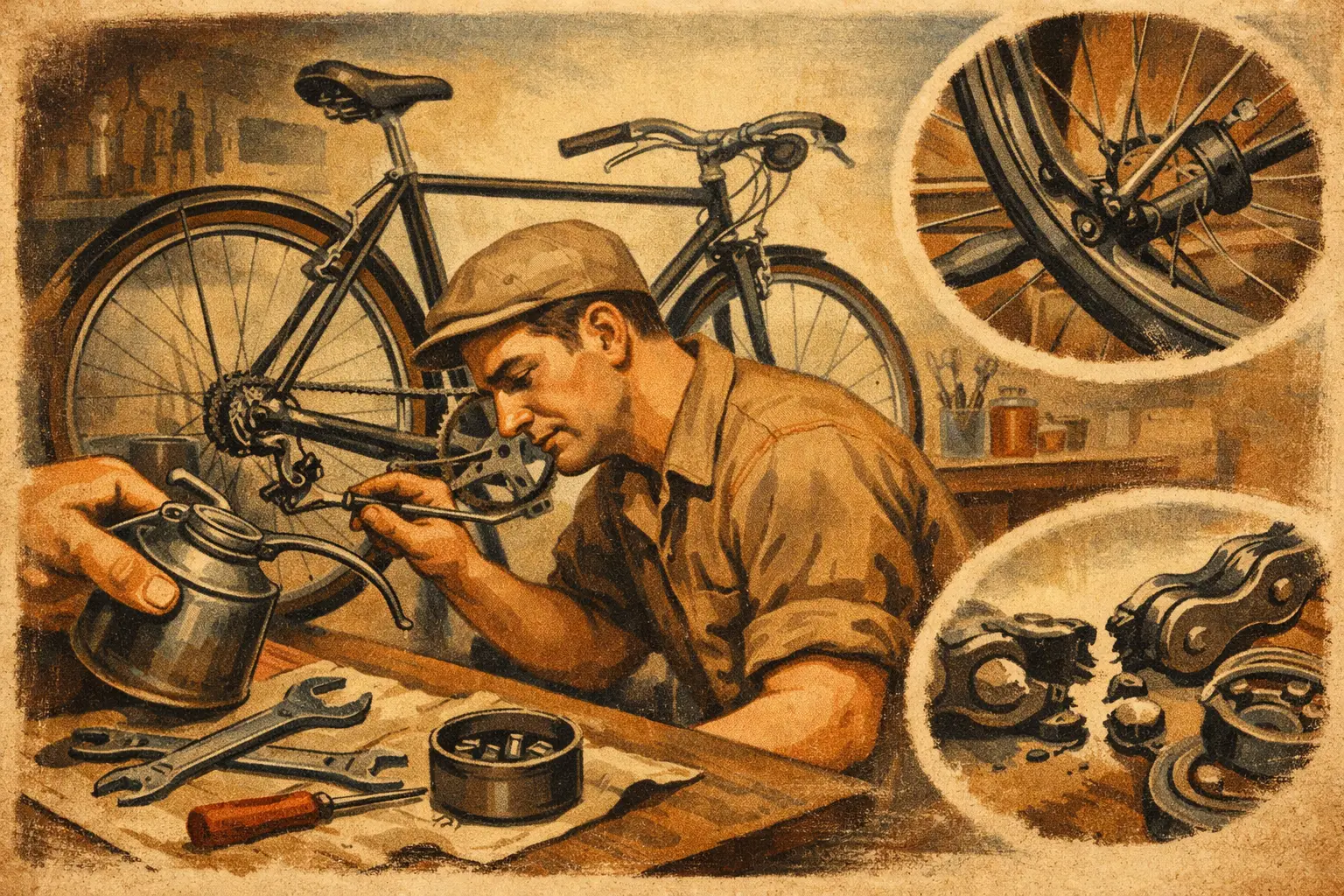
A new wheel can look straight while still carrying uneven spoke tension. This is where handbuilt wheels, and carefully inspected factory wheels, separate themselves from cheaply assembled ones. A proper build involves bringing the wheel progressively to tension, checking dish and radial and lateral accuracy, relieving residual twist in the spokes, then rechecking tension across the whole wheel.
Stress relieving is especially significant. During lacing and tensioning, spokes can retain twist and settle later in service. If that settlement occurs after the wheel leaves the workshop, tension reduces unevenly and spokes begin to loosen. The rider then hears the familiar pinging noises, notices a wobble and assumes the wheel has simply ‘bedded in’. A stable wheel should not require repeated rescue truing.
Rim quality also matters. A consistent rim extrusion makes it possible to achieve even tension; an inconsistent rim can make an excellent build impossible. This is why component selection and workmanship cannot be separated.
Which should you buy?
Choose a factory wheelset when its specification genuinely matches your use, its parts can be supported and its price represents good value. It can be a particularly effective choice for a rider seeking a specific aerodynamic or lightweight performance package.
Choose handbuilt wheels when you need a wheel designed around your actual loading and riding, when repairability is a priority, or when previous wheels have failed without a convincing explanation. They are often the better long-term proposition for touring, gravel, e-bike, mountain bike and year-round road use.
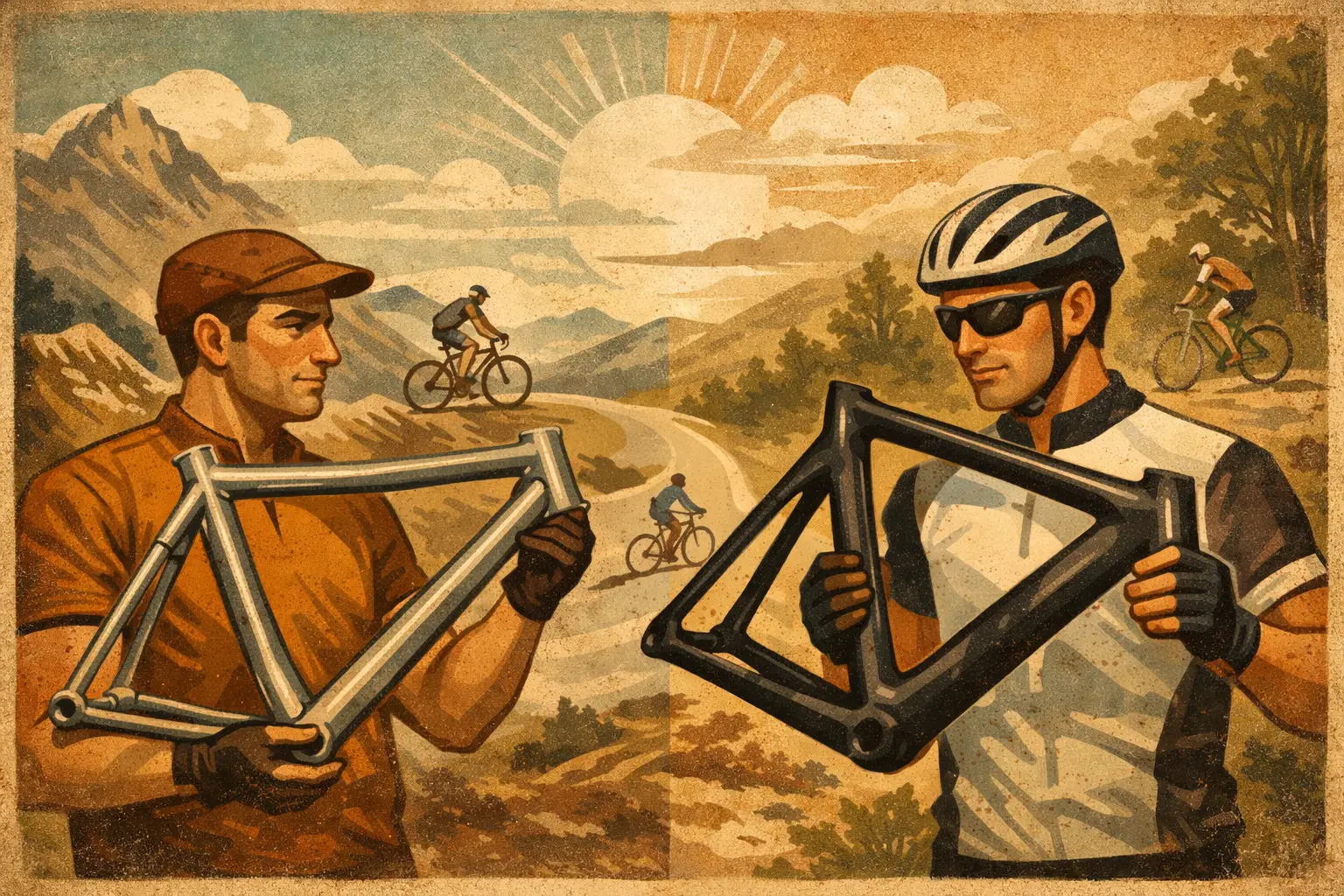
There is also a middle ground. A factory hub and rim can be built with a more appropriate spoke count and lacing pattern. Equally, a factory wheel can be the right component within an otherwise bespoke bicycle. Good engineering is not loyal to a category.
Before spending money, bring the failed wheel or bicycle in for assessment. The evidence in the rim, spokes, hub and tyre tells a more useful story than a sales label. A wheel built for the load it will actually see gives you the quiet confidence to ride hard, ride far and repair rather than replace.


Leave A Comment