
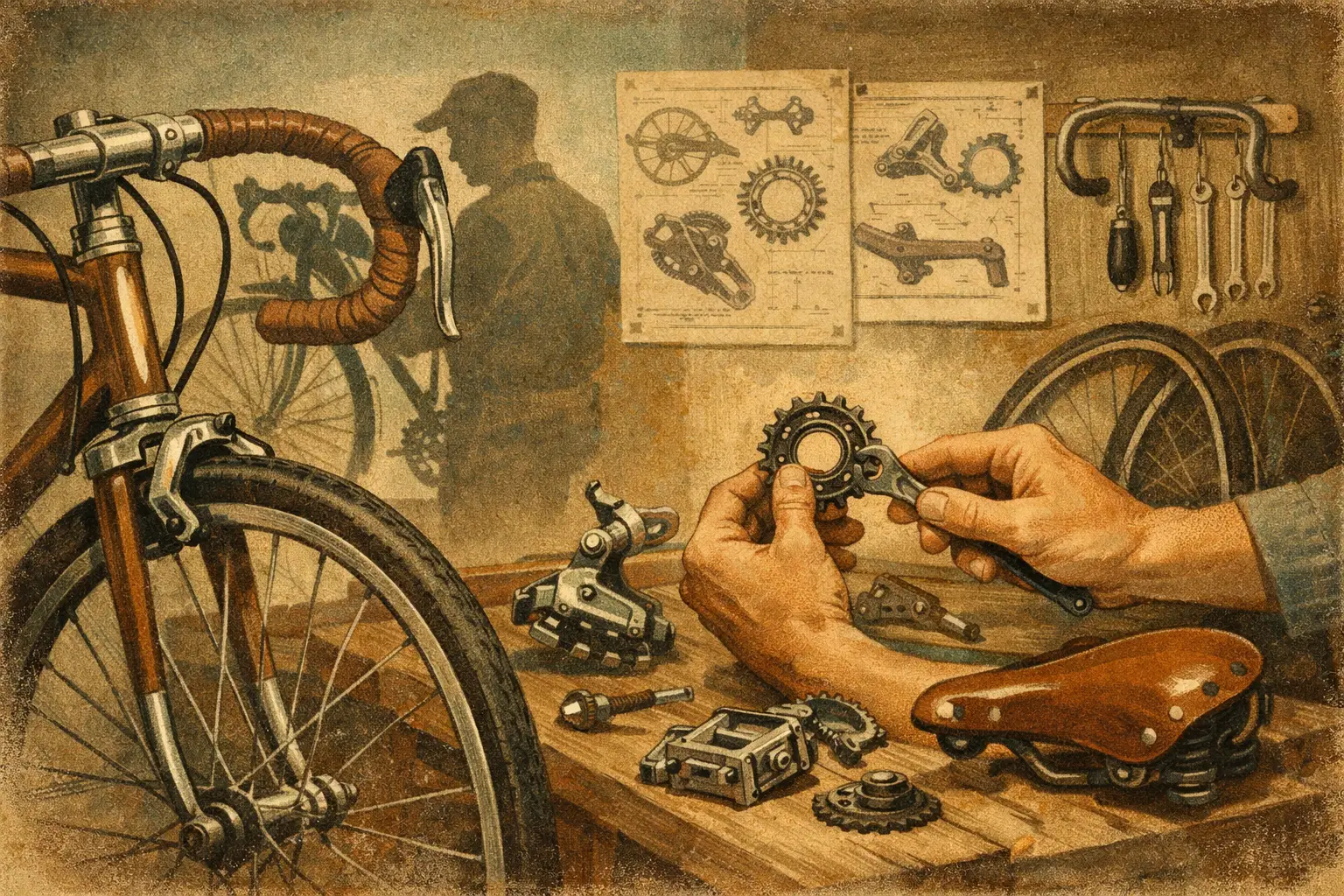
A custom bike component specification starts where catalogue buying stops: with the rider, the terrain, the load and the failure consequences. A lighter part is not automatically a better part. Neither is the most expensive option. The right specification is one that delivers the required strength, fit, stiffness, service access and ride quality for the miles you actually intend to ride.
For a one-hour race bike, a winter commuter and a loaded gravel machine crossing the Pennines, the same component can be either an excellent choice or a poor one. Good engineering turns those differences into clear requirements before money is spent or material is cut.
What a custom bike component specification must define
A proper specification is more than a list of dimensions and a preferred finish. It sets out the job the component must do, the interfaces it must work with and the loads it will see over its working life. This avoids a familiar outcome: a beautifully made part that cannot be serviced easily, creates an unwanted stress concentration or solves the wrong problem.
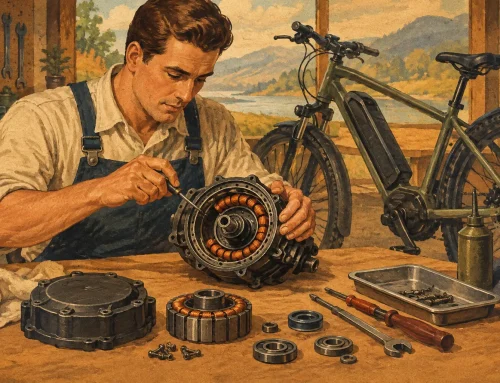
Start with the system around the component. A replacement dropout, rack mount, fork crown, brake bridge, linkage part or custom axle is never working alone. Frame material, tube wall thickness, wheel size, braking forces, bearing arrangement, rider mass, luggage, tyre clearance and intended use all matter. On an e-bike, motor torque and battery mass may dominate the loading case. On an adaptive cycle, access, transfer loads and stability may take priority over low weight.
The specification should state the essential constraints in plain terms: required dimensions and tolerances, material, joining method, surface treatment, fastening method, expected load cases and acceptance criteria. It should also identify which details are fixed and which can be adjusted after inspection. That flexibility is valuable when working with older frames, repaired structures or equipment that has seen years of corrosion and fatigue.
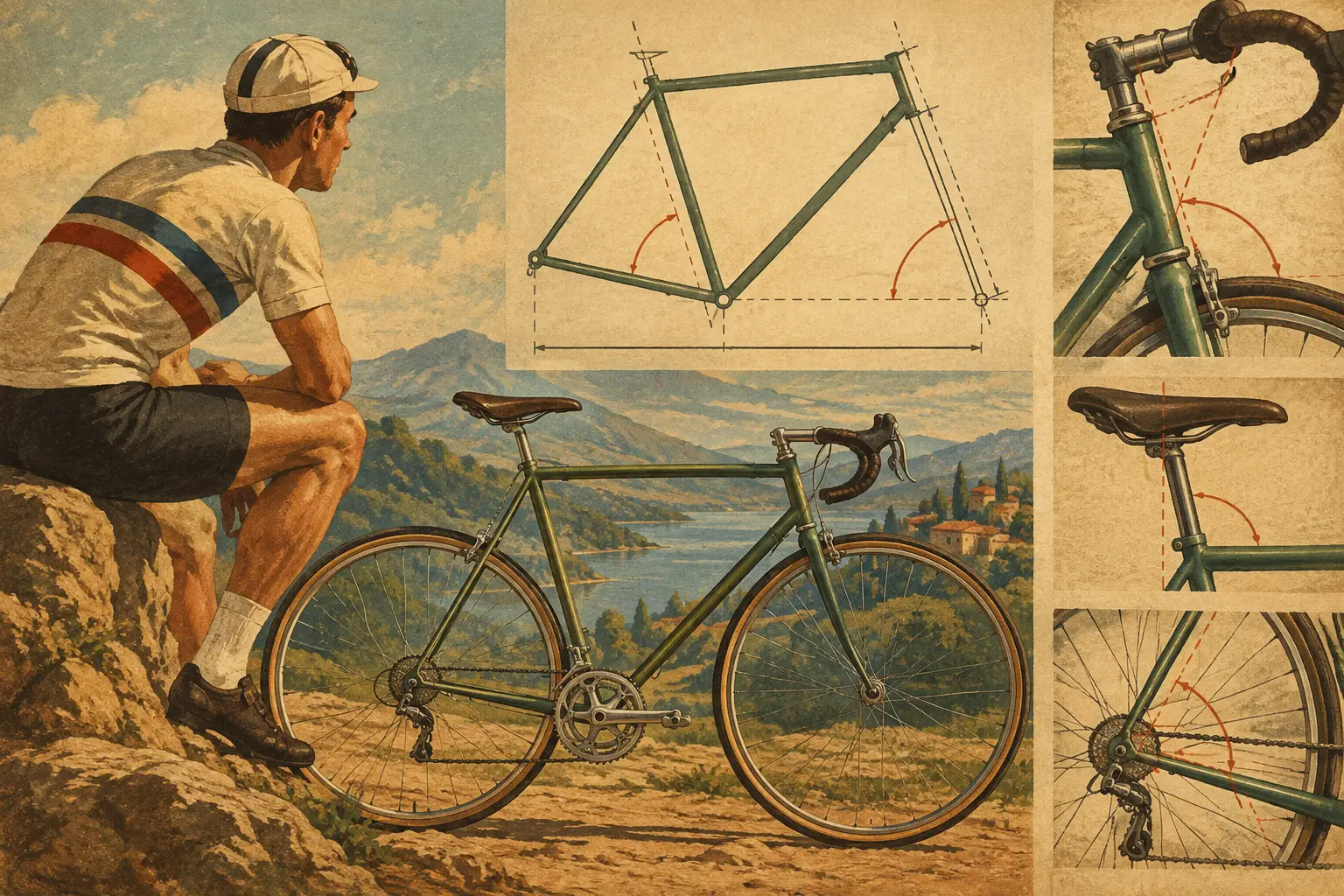
Fit is a functional requirement
Fit means more than whether a part physically bolts on. A handlebar, stem or crank choice affects position, breathing, hand pressure and control after six hours in poor weather. A wheel specification affects tyre shape, spoke tension stability and brake alignment. A custom rack or luggage mount must clear the rider’s heel, mudguards and bags while allowing a wheel removal at the roadside.
Small errors compound. A few millimetres of reach, a poorly chosen bar flare or an unsuitable lever body can turn a technically impressive build into a bike that riders avoid using. For endurance and touring work, fit should be assessed with the rider’s usual footwear, luggage and riding position in mind, not just a static showroom pose.
Custom bike component specification: strength without unnecessary weight
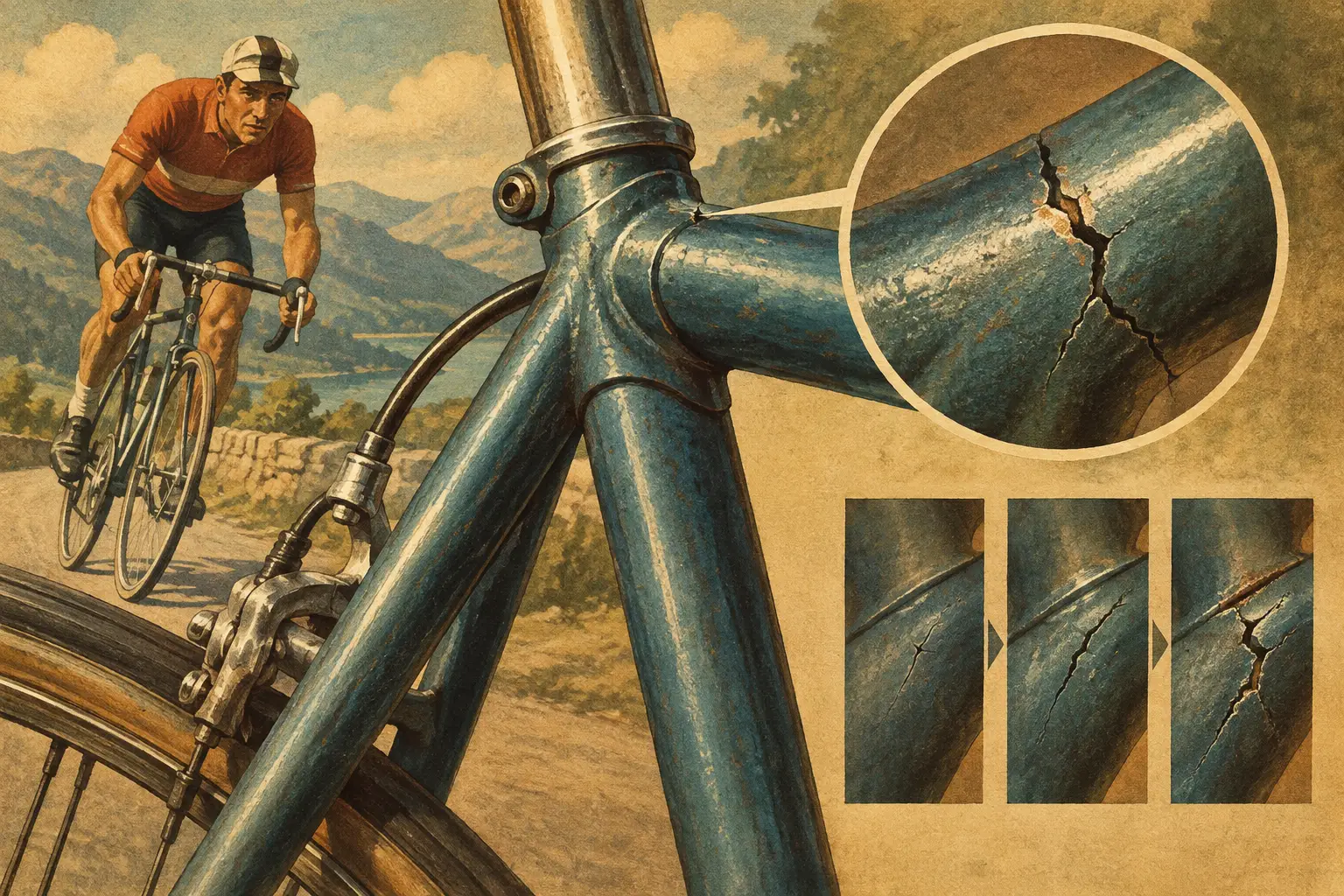
Strength is not a single number. Components experience tension, compression, bending, torsion, impact and repeated vibration. The repeated part is usually the difficult one. A component can survive a single workshop test yet develop fatigue damage after thousands of load cycles at a notch, weld toe, thread root or abrupt change in section.
This is why material choice must follow the application. Titanium can offer excellent corrosion resistance and fatigue performance when the grade, tube geometry and welding process are appropriate. Steel remains highly useful where repairability, toughness and practical fabrication matter. Aluminium can be very effective, but it requires careful attention to heat-affected areas, section design and post-weld treatment where relevant. Carbon fibre can provide exceptional directional stiffness and low mass, yet needs disciplined load paths, impact protection and inspection planning.
The correct answer depends on the part. A titanium repair is not simply preferable because titanium is premium. Nor is a thicker plate automatically safer. Adding material in the wrong place can move stress into a weaker adjoining tube or create a stiff local feature that accelerates cracking. The aim is to manage the full load path, not merely reinforce the visible damage.
Specify fatigue life and failure behaviour
For demanding use, ask what happens if the part is damaged, overloaded or allowed to wear. A long-distance rider may favour a component that gives warning through noise, play or visible deformation rather than failing suddenly. A high-performance race application may accept a shorter service interval, provided inspection is realistic and the performance benefit is meaningful.
Thread engagement, bolt grade, tightening torque and anti-seize practice belong in the specification as well. These details are particularly significant with titanium, aluminium and mixed-material assemblies, where galling, galvanic corrosion and incorrect torque can compromise an otherwise sound design. A component is only as dependable as its interfaces.
Serviceability is part of performance
A bike that cannot be maintained efficiently will not remain fast, quiet or safe. Custom work should therefore consider access to bearings, cables, brake fittings, spoke nipples, battery connections and fasteners from the outset. If a mudguard, rack or motor cover requires half the bike to be dismantled for a routine job, the design has imposed a cost on every future service.
Standardisation can be a strength. Common bearing sizes, readily available brake pads, sensible axle formats and replaceable hangers can make a bespoke machine more useful, not less exclusive. The best custom specification combines purpose-built features with components that can be sourced and serviced years later.
This matters particularly for expedition, winter and e-bike use. Water ingress, road salt and repeated thermal cycles expose weak sealing and poor drainage quickly. A well-designed part includes allowance for contamination, corrosion protection and inspection. It does not assume that every ride ends on clean, dry roads.
Do not specify a component in isolation
The most useful workshop conversations begin with a rider’s objective rather than a requested part. “I need a stiffer rear end” may actually mean the bike feels vague under luggage. “I need a stronger wheel” may be a spoke pattern, rim width, tyre pressure or hub-bearing issue. “This crack needs welding” may reveal an underlying alignment problem, insufficient reinforcement or a loading condition that will crack the repair again.
Diagnosis before modification protects both safety and value. Measuring alignment, checking bearing condition, inspecting welds and assessing wear patterns can show whether the proposed change addresses the cause. For carbon, aluminium, steel and titanium structures alike, the surrounding material condition is as relevant as the visible defect.
A practical specification should therefore include the bike’s history. Record mileage where known, crashes, previous repairs, rider and luggage mass, tyre pressures, wheel size, motor system, typical routes and any recurring symptoms. A crack appearing after loaded descents tells a different story from one appearing after years of corrosion around a bottle boss.
Balance stiffness, comfort and control
Cyclists often ask for stiffness, but stiffness in the wrong direction can reduce grip and comfort. A fork that is excessively harsh may transmit more vibration to hands and shoulders, while a rear triangle that is too compliant can feel imprecise under power. The target is controlled deflection where it benefits traction and comfort, alongside adequate lateral and torsional support for steering, braking and pedalling.
Tyre volume is frequently the most cost-effective comfort and control component. Before commissioning an elaborate structural modification, establish whether wider tyres, an appropriate rim internal width, sensible pressures or improved wheel build quality would produce the desired result. That is not an argument against custom engineering. It is an argument for spending effort where it makes the greatest measurable difference.
Weight deserves the same discipline. Saving 100 grams at the cost of reduced tyre clearance, poorer sealing or a fragile proprietary fitting is rarely sensible for an all-weather endurance bike. On the other hand, removing unnecessary mass from a rotating assembly or an overbuilt fitting can improve response without compromising durability. The specification should distinguish meaningful weight saving from expensive tokenism.
From requirement to approved work
Before manufacture, modification or repair, convert the brief into an agreed plan. Confirm measurements, material compatibility, finish requirements, component availability, lead time, inspection points and any limitations. Photographs and measured drawings are useful, but so is a direct discussion of what success looks like after the work is complete.
At Ewhurst Bikes, that discussion is grounded in how the bicycle will be ridden, serviced and kept in use. Engineering-led work is not about making every bike more complicated. It is about making the right parts stronger, more durable and better suited to the rider, while avoiding changes that create future problems.
A well-written specification gives you a useful test before work begins: if the component cannot explain how it improves safety, durability, fit or performance on your real rides, it is probably not the component worth changing. Bring the bike, the symptoms and the intended use to the conversation, and let the design follow the evidence.






Leave A Comment