
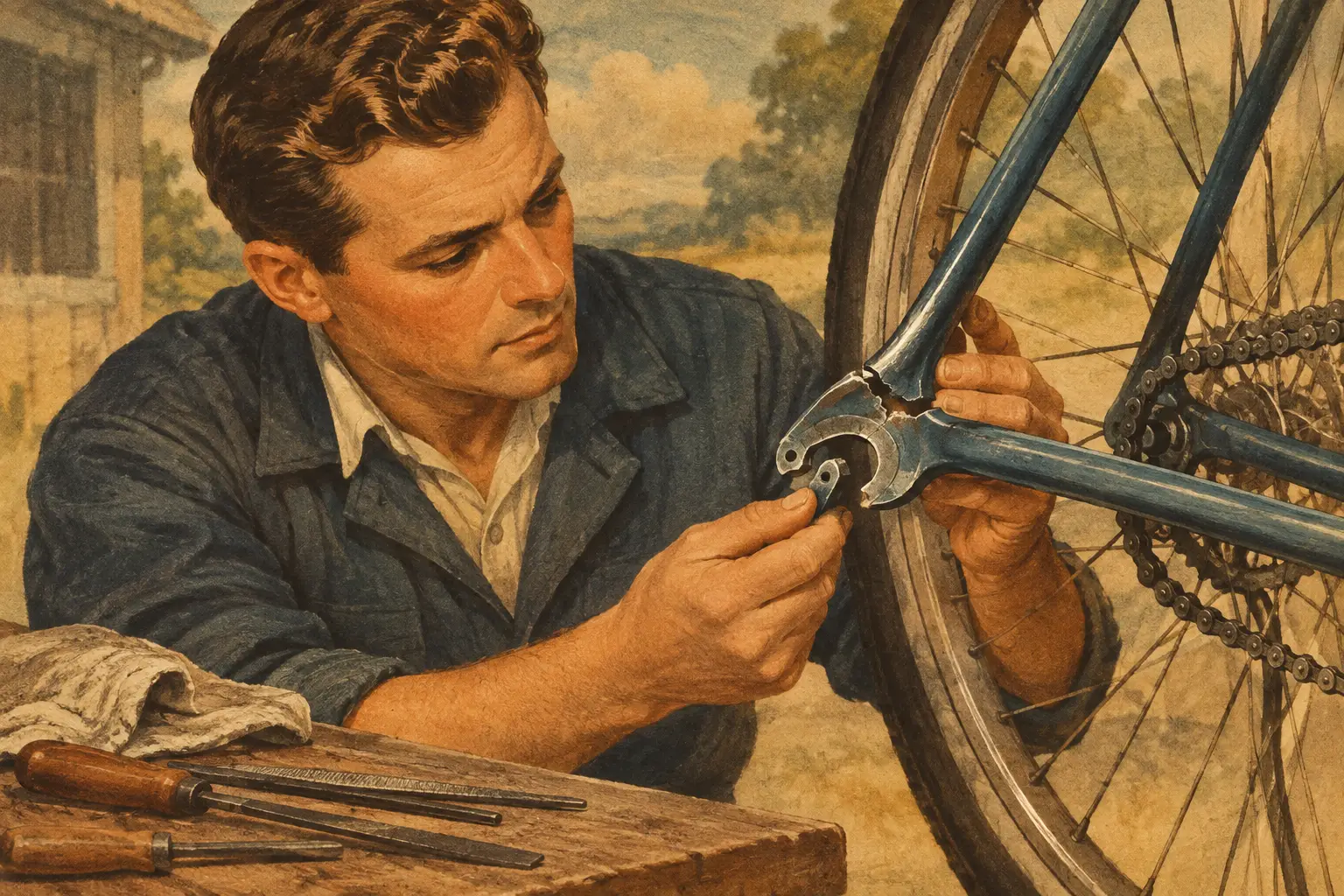
A dropout is a small part of a bicycle frame or fork, but it carries consequences far beyond its size. It locates the wheel, transfers braking and pedalling loads into the structure, sets chain alignment and, on many modern bikes, supports a derailleur hanger. Repairing damaged dropouts is therefore not a cosmetic welding job. The first question is whether the surrounding frame can safely carry the loads again – and why the dropout was damaged in the first place.
A wheel that can move in the frame is not merely irritating. It can pull the rotor out of alignment, throw the chain, damage a derailleur or, in a serious case, release from the bike under braking. For riders who put serious miles into road, gravel, mountain, touring or e-bike machines, accurate wheel retention is non-negotiable.
What counts as dropout damage?
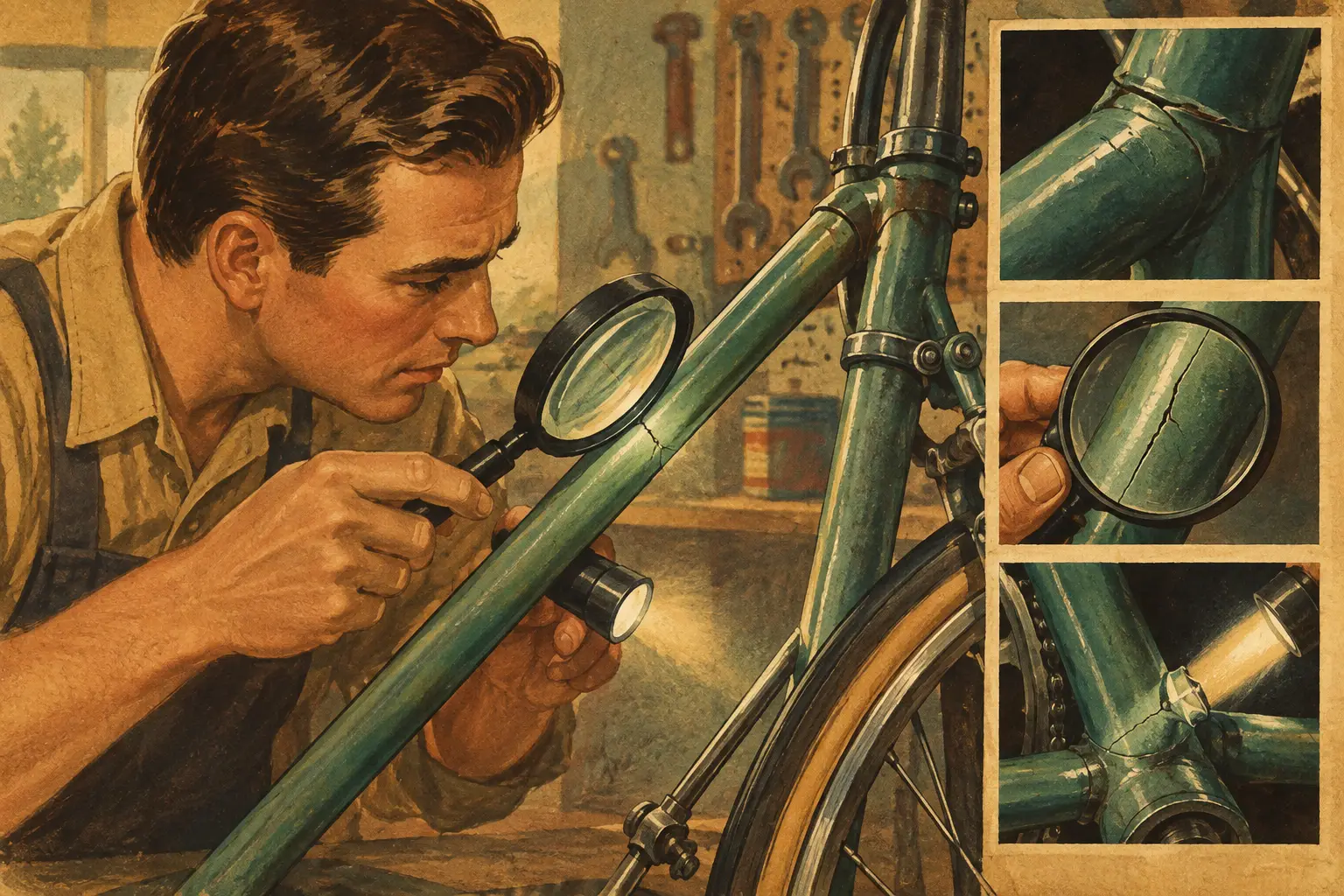
Damage takes several forms. A forged or machined dropout may crack at the axle slot, especially where a sharp internal corner concentrates stress. A steel frame can suffer a bent dropout after a rear impact. Aluminium dropouts may fracture beside a weld or around the replaceable hanger interface. Carbon frames and forks can crack in the bonded area around an alloy insert, sometimes with little visible damage to the paint.
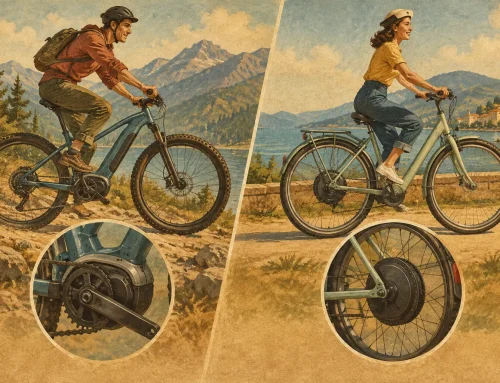
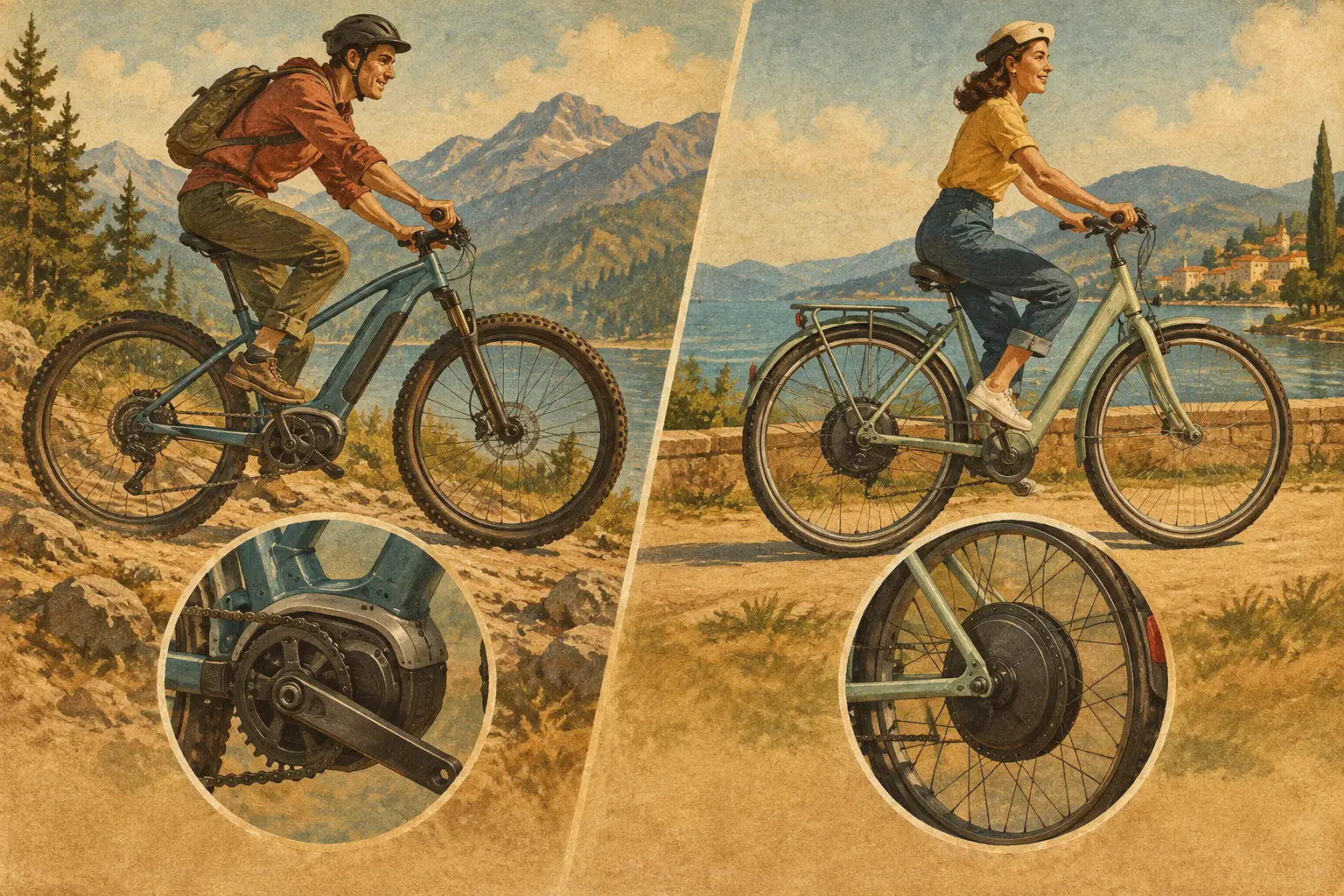
Not every fault is a crack. Worn quick-release faces, distorted through-axle threads, ovalised axle holes, damaged derailleur-hanger threads and misaligned rear ends all affect how securely the wheel sits. On e-bikes, the torque reaction from a hub motor can chew into an unsuitable dropout or gradually open an axle slot. That needs a different solution from a conventional derailleur-side failure.
The pattern matters. A clean break following an obvious crash may be contained to one component. A crack growing from a weld, however, can point to fatigue, poor alignment, an unsuitable previous repair, inadequate material thickness or repeated overload. Simply joining the visible crack without dealing with that cause can return the bicycle to service with its next failure already designed in.
Start with diagnosis, not a welding torch
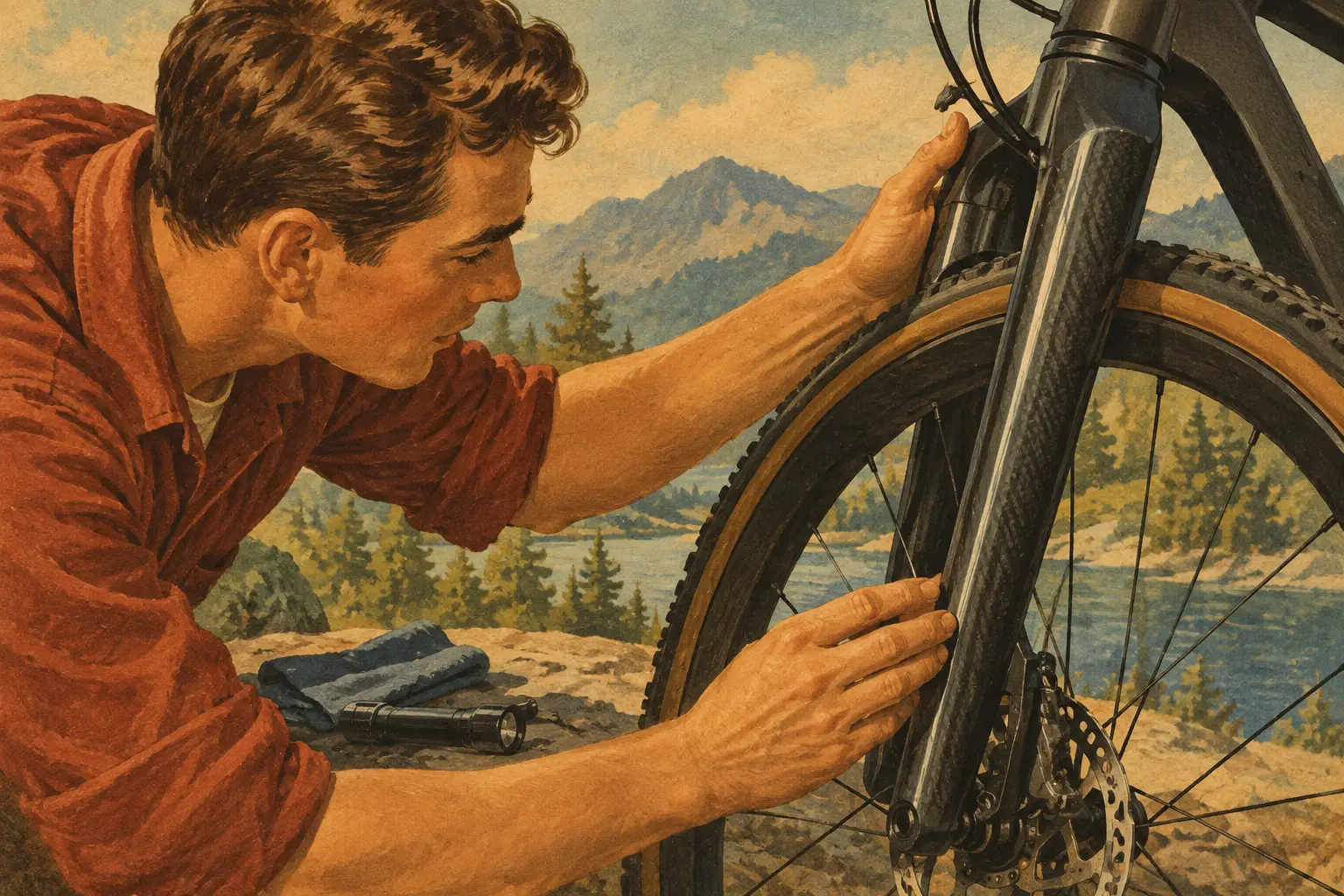
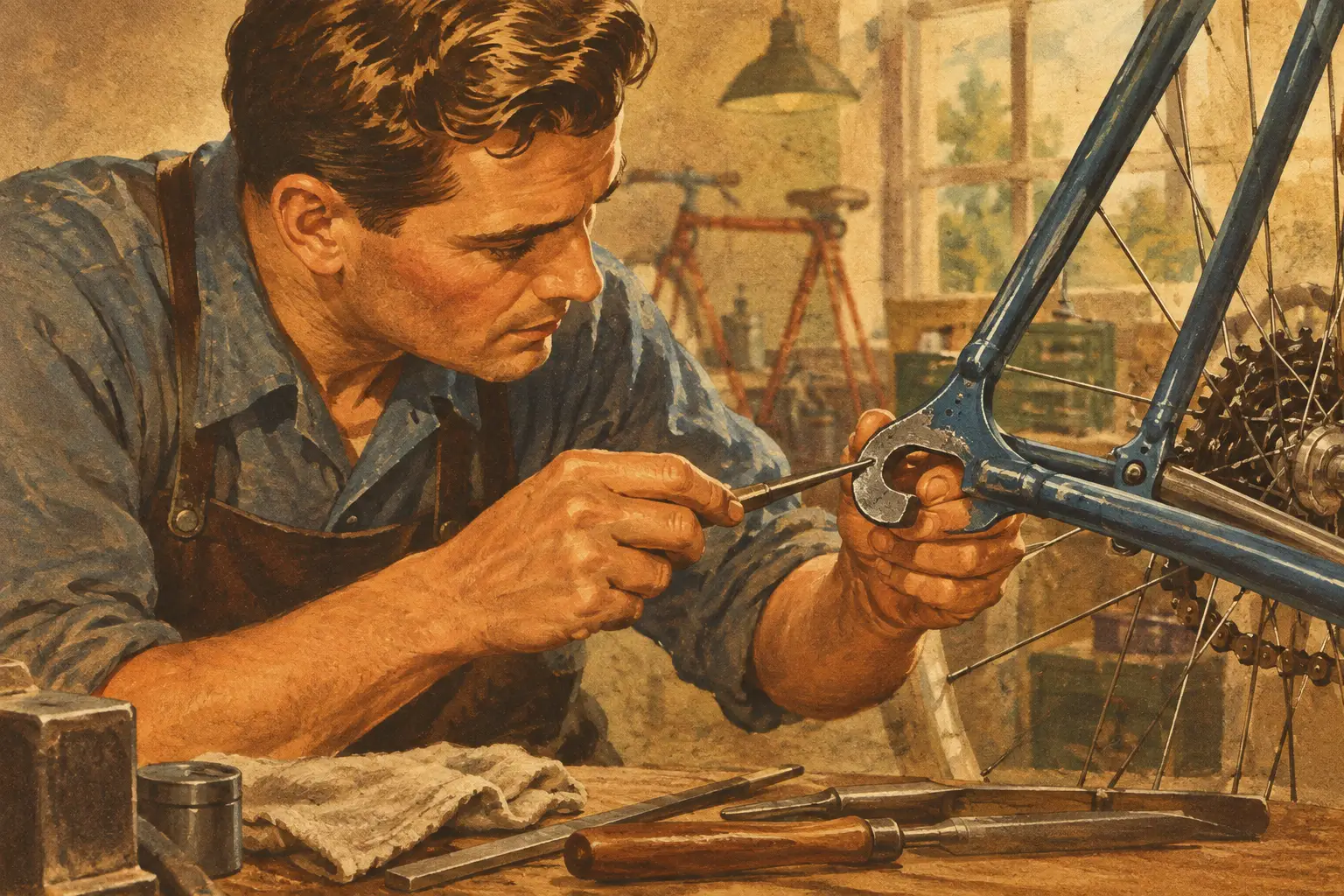
A proper assessment begins with the complete frame, fork or rear triangle. The wheel, axle, derailleur hanger and brake assembly are checked because they often show how the force travelled through the bike. We look for paint disturbance, corrosion, fretting, bent stays, buckled chainstays, damaged threads and old repairs that may influence the repair strategy.
Alignment is measured rather than guessed. On a rear frame this includes dropout parallelism, centreline position and hanger alignment. On a fork, blade tracking and crown alignment matter as much as the dropout itself. A dropout can look acceptable while sitting several millimetres out of plane, leaving the axle loaded unevenly every time the wheel is clamped.
Material identification is equally important. Steel, aluminium, titanium and carbon fibre cannot be treated as interchangeable. Steel often allows local straightening and welding, provided corrosion and heat-affected damage are understood. Titanium requires scrupulous preparation, inert gas shielding and a repair design that considers fatigue strength rather than appearance alone. Aluminium repairs demand careful judgement because welding changes the properties of heat-treated alloys. Carbon repairs are based on fibre direction, laminate condition and the integrity of any metal insert or bond.
This is why a photograph can be useful for an initial conversation but cannot confirm that a dropout is safe to repair. The decision is made from inspection, measurement and the intended use of the bike.
Repairing damaged dropouts by frame material
Steel: often repairable, never automatic
Steel is forgiving compared with many bicycle materials, but it still deserves disciplined work. A bent steel dropout may be cold-set and realigned if it has not cracked or stretched significantly. If welding is needed, the damaged material is removed or prepared properly, the repair is made with heat control, and the dropout faces and threads are restored afterwards.
For a heavily loaded touring or disc-brake frame, reinforcing a recurring stress area may be appropriate. The reinforcement must support the load path without creating a new stress riser beside the repair. A large, unattractive plate welded across a dropout can make a frame weaker in another location and can interfere with axle seating, racks or brake clearance.
Titanium: a fatigue problem as much as a welding problem
Titanium frames are valued for corrosion resistance and long service life, but they are not immune to fatigue failure. A crack near a dropout may originate from a poor original weld, contamination, a sharp transition in the dropout design or a local load that the frame was never intended to handle.
Titanium repair needs clean parent material, correct joint preparation and high-quality shielding on both sides of the weld. More importantly, it needs failure analysis. If a dropout has repeatedly cracked at the same junction, the repair may require a revised gusset, altered tube termination or a new dropout design. The aim is not to make the crack disappear. It is to give the rear end a credible fatigue life for the rider, load and terrain involved.
Aluminium: repair may be possible, but the limits matter
Aluminium dropout damage is common after impacts, especially on frames with replaceable hangers. A damaged hanger is normally the sacrificial, replaceable part. A crack in the frame-side hanger mount or dropout is more serious.
Some aluminium frames can be repaired successfully, but a welded area does not automatically regain the original heat-treatment condition. The design, alloy, tube thickness, location and required service all affect the decision. A lightly used hardtail may be a viable candidate where a high-powered e-bike or hard-ridden full-suspension rear triangle is not. Honest engineering includes declining repairs where the safe outcome cannot be established.
Carbon fibre: inspect the laminate and the insert
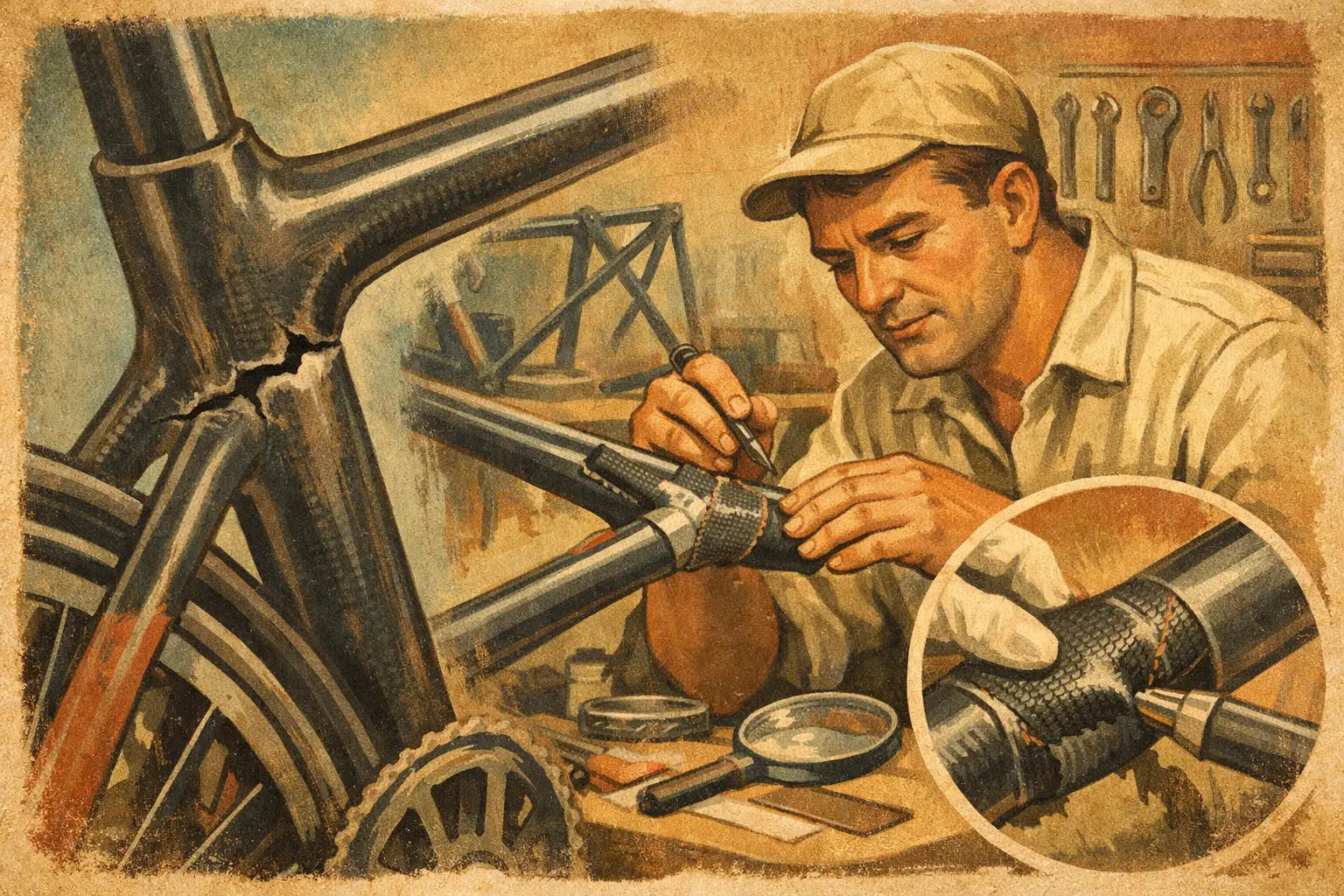
Carbon dropouts are commonly formed around alloy inserts, bonded interfaces or moulded composite structures. Impact can crush fibres below the surface, loosen an insert or crack the laminate around a through-axle bore. Paint cracking alone is not proof of structural failure, but neither should it be dismissed.
A suitable carbon repair rebuilds the load-bearing laminate with the correct fibre orientation and restores the dropout geometry precisely. If the metal insert is damaged, its bond and the surrounding composite must be assessed together. A neat resin fill or surface patch is not a structural repair.
The geometry after repair is part of the repair
Once the structure is sound, the bicycle must still assemble and ride correctly. Dropout faces need to be parallel where the axle design requires it. Through-axle threads must run cleanly and provide full engagement. Derailleur hanger alignment must be checked with the wheel fitted, not judged by eye. Disc rotor clearance, caliper position, tyre clearance and chainline all need confirmation.
This stage is particularly important on gravel bikes, loaded tourers and performance road bikes. A small error can create a persistent brake rub, poor shifting or uneven axle clamping. On a full-suspension frame, bearing play and pivot alignment can disguise or contribute to dropout movement, so the repair should not be isolated from the condition of the rear triangle.
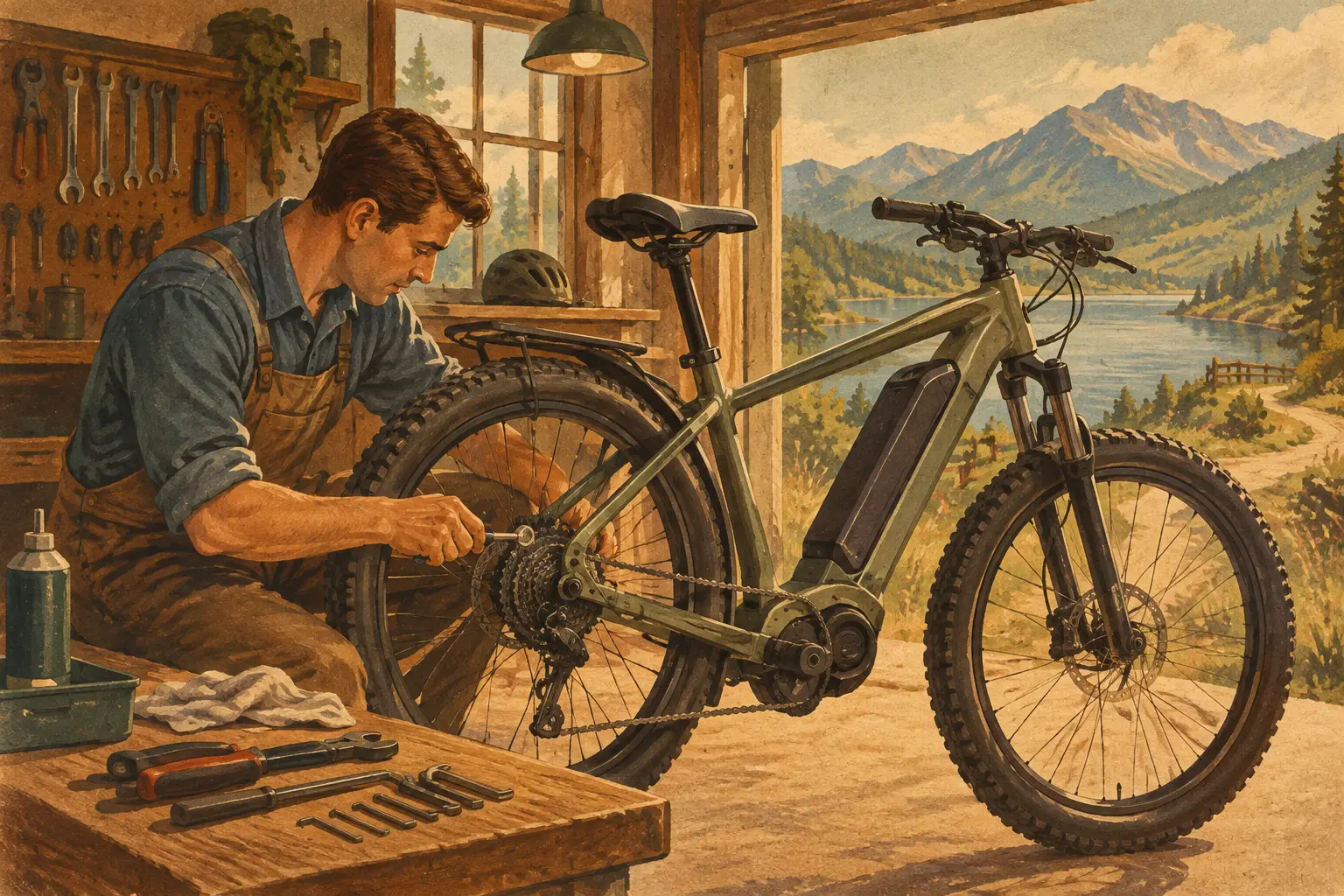
For hub-motor e-bikes, the axle flats and anti-rotation arrangement deserve special attention. A conventional open dropout may not safely resist motor torque. Depending on the frame and motor, the correct answer may be a properly engineered torque arm, a redesigned dropout interface or a decision not to proceed with that motor and frame combination.
When replacement is better than repair
Replacement is often the sensible route when a removable hanger is bent, a fork dropout has been badly distorted, corrosion has thinned a steel rear end, or an aluminium structure has cracked through multiple highly stressed junctions. It may also be better value when a repair requires extensive stripping, refinishing and component replacement.
The right decision depends on the bike’s value, availability of replacement parts, intended riding and the quality of the original structure. A well-made steel touring frame, a titanium endurance bike or a rare classic machine can justify substantial engineering work. A low-cost frame with widespread damage may not. Value is not just the purchase price: fit, familiarity, durability and the waste avoided by keeping a sound frame in service all count.
Do not keep riding on a suspect dropout
Stop riding if the axle will not clamp securely, the wheel sits crooked, there is a visible crack, the rear wheel shifts under power, or the brake suddenly falls out of alignment. Do not tighten a quick-release excessively to compensate for worn faces, pack an axle slot with shims or attempt a structural repair with adhesive. These measures hide the problem while increasing the chance of a more expensive failure.
Bring the complete bicycle where possible, including the wheel, axle, hanger and any parts involved in the incident. That gives the workshop the best chance of tracing the original load path and checking the finished repair as an assembly. At Ewhurst Bikes, the practical aim is straightforward: establish whether the structure can be returned to safe, accurate service, then repair the cause as well as the damage. A measured inspection before the first weld is the best investment you can make in the bike beneath you.


Leave A Comment