
A crack beside a bottle boss, a dented down tube or a failed titanium weld does not automatically mean the end of a good bicycle. The right frame repair options depend on the frame material, the location and cause of the damage, its service history, and what you need the bike to do afterwards. A repair that is suitable for a winter commuter may not be appropriate for a loaded tourer, a mountain bike ridden hard in rock gardens, or an endurance machine expected to carry you across Europe.
The first task is not welding, bonding or repainting. It is establishing whether the frame can safely return to service and, if it can, what must change to prevent the same failure recurring. That is the difference between covering a crack and engineering a durable repair.
Frame repair options begin with diagnosis
Frames rarely fail without a reason. Fatigue can start at a sharp transition, a poorly designed weld termination, a stress concentration around a fitting, corrosion beneath paint, a seized pivot bearing or repeated overload from luggage, impacts or unsuitable tyres. A crack may be the visible symptom, not the underlying problem.
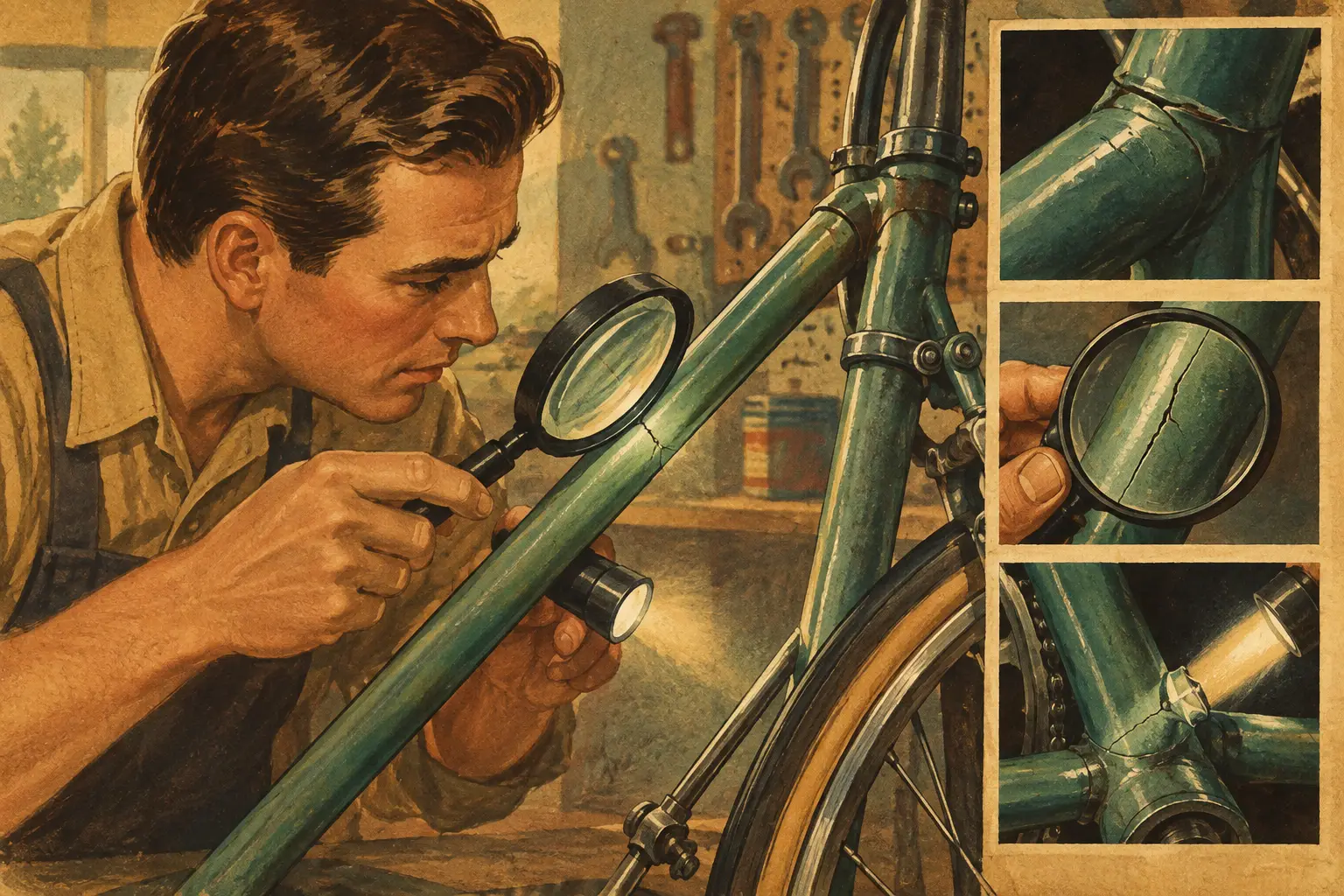
A proper assessment starts with the frame stripped sufficiently to see the structure. Paint can hide corrosion, previous damage and hairline cracking, while grime around a joint can make an intact tube look suspect. Alignment is checked, relevant areas are closely inspected, and the damage is considered against the loads that part of the bicycle experiences. On a full-suspension frame, for example, worn bearings or distorted hardware can create loads that the original structure was never meant to carry.
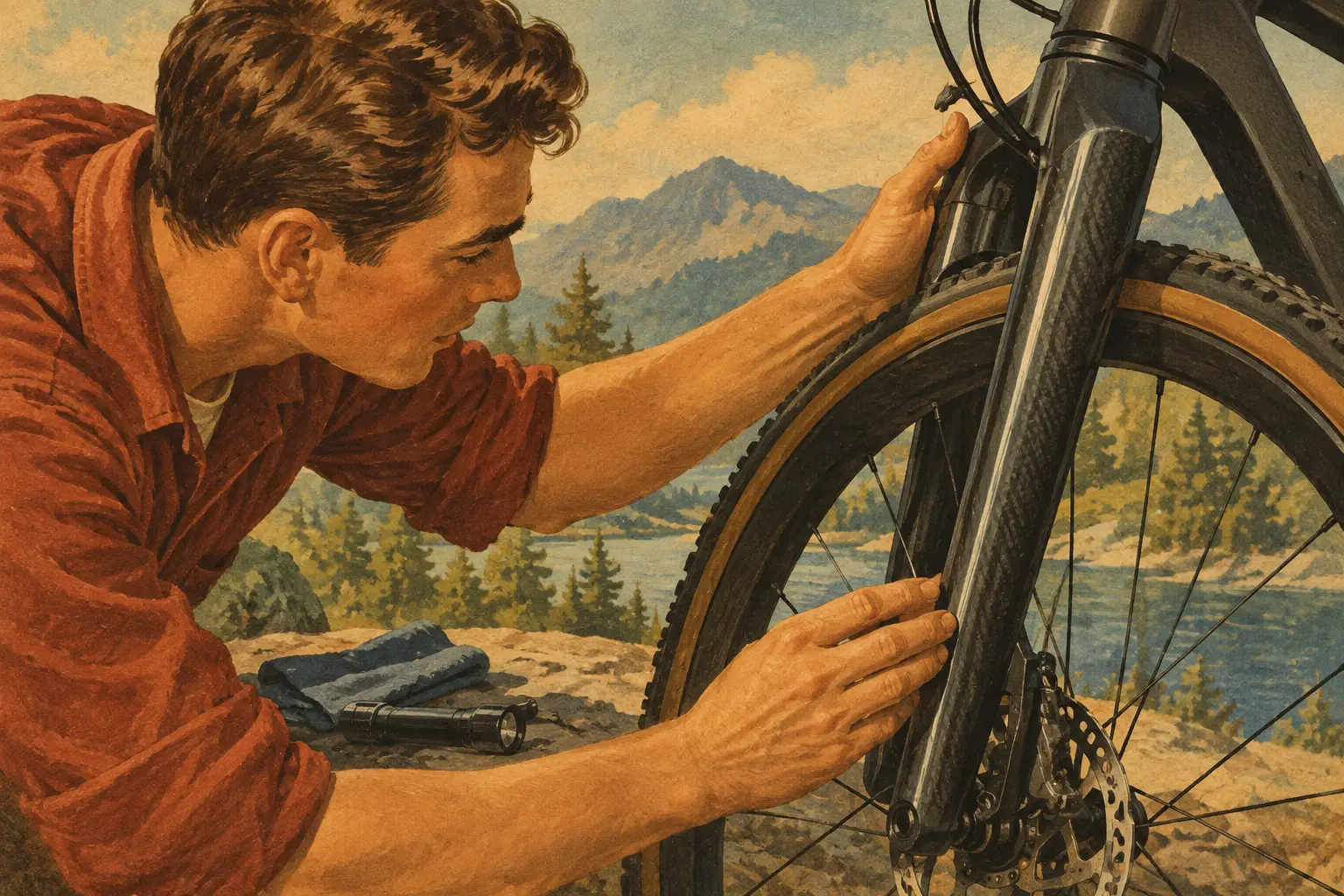
The same care applies after a crash. Carbon can suffer internal laminate damage with little cosmetic evidence. Aluminium can crack beside a weld or dent in a way that changes its fatigue life. Titanium may show a fine crack at the toe of a weld where a local design or manufacturing detail has concentrated stress over thousands of miles.
It is also worth distinguishing a damaged frame from a damaged component. A creaking bottom bracket, chipped lacquer or a cracked mudguard mount can be mistaken for structural failure. Conversely, a fork, handlebar, stem or seatpost involved in the same incident may need inspection even when the frame looks acceptable.
Repair options by frame material
Steel: repairable, but not automatically simple
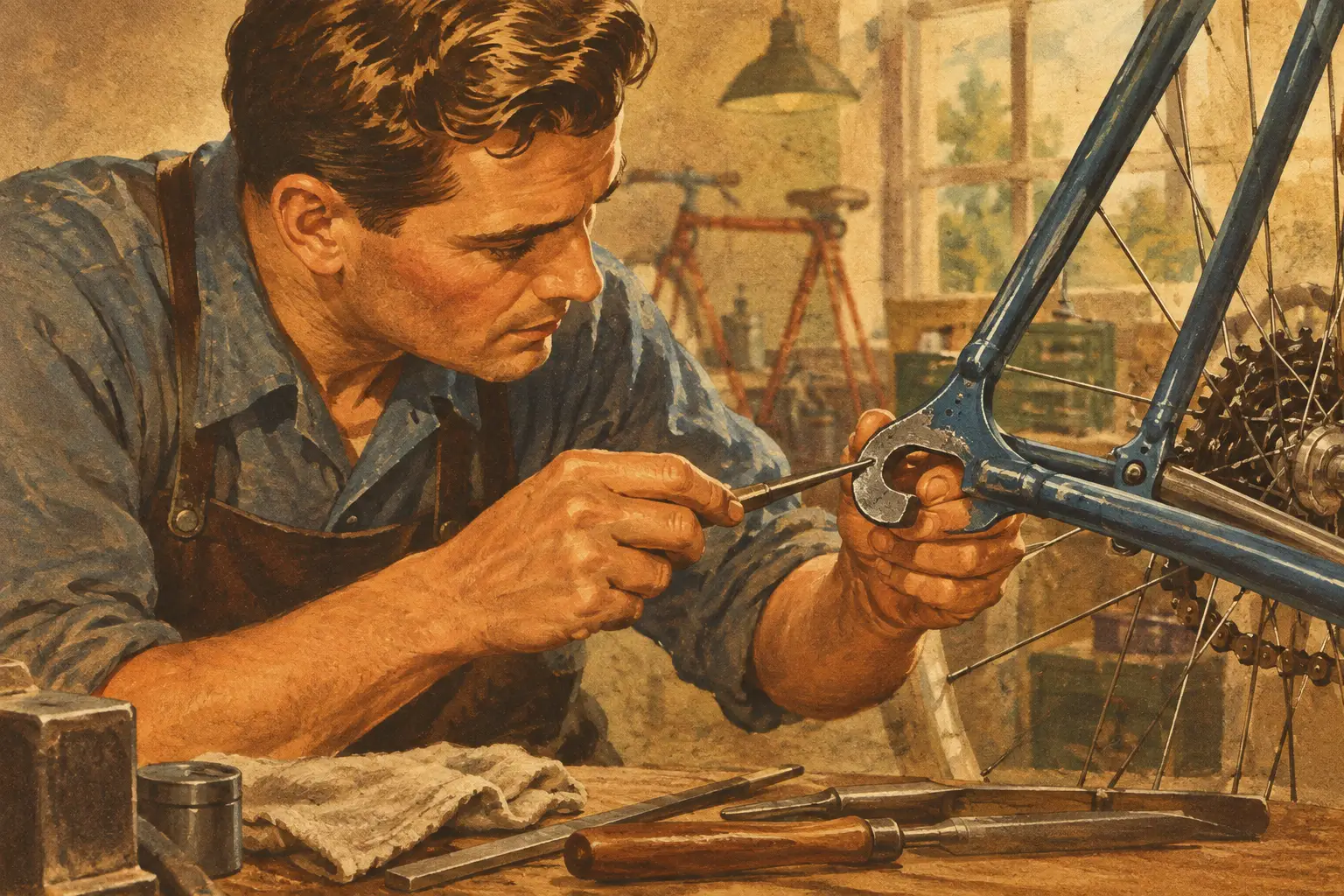
Steel remains one of the most repairable frame materials. Depending on the damage, options can include welding a local crack, replacing a damaged tube, rebuilding a dropout area, replacing a bridge or boss, and correcting alignment. A well-executed tube replacement can give a classic touring, road or mountain frame many more years of useful life.
That said, the repair must respect the original tubing. Thin, butted tubes need controlled heat input, and corrosion can extend much further than the visible hole. If a chainstay has rusted through from the inside, patching the external area alone is rarely a lasting answer. The surrounding tube must be sound, and the finished repair needs corrosion protection inside and out.
Titanium: investigate the failure before welding
Titanium has an excellent reputation for fatigue resistance and corrosion durability, but it is not immune to failure. Cracks often occur where loading is concentrated: chainstay-to-bottom-bracket junctions, dropouts, head tube areas, rack mounts and weld terminations are common areas for close examination.
Titanium welding is not a job for a general repair shop. Clean preparation, correct shielding gas coverage, suitable filler material, disciplined heat control and accurate alignment all matter. Contamination during welding can create a brittle, unreliable repair even if the finished bead looks tidy.
More importantly, a repeated crack needs more than a repeat weld. The repair may require a revised joint detail, local reinforcement, a changed tube profile or a different load path. At Ewhurst Bikes, titanium repairs are approached as a failure-analysis exercise: establish why the original structure cracked, then repair or redesign the area so the frame is fit for real riding rather than merely presentable in the stand.
Aluminium: possible repairs with real limitations
Aluminium frames demand particularly careful judgement. Most aluminium alloys gain much of their strength through heat treatment, and welding alters the heat-affected zone around the repair. The material next to a new weld may not retain the properties it had when the frame left the factory.
Some repairs are viable, especially where a suitably engineered replacement section or reinforcement can be used and the intended duty is understood. Others are poor candidates, particularly cracks around highly loaded head tubes, suspension pivots or complex hydroformed tubing. A weld may stop the visible crack but leave an area with reduced fatigue strength.
This does not make aluminium disposable. It means the decision must be based on the specific frame, alloy, construction, damage location and rider use. For an everyday bike, an intelligently limited repair may offer excellent value. For an aggressive trail bike or a heavily loaded expedition machine, replacement may be the safer long-term decision.
Carbon: restore the laminate, not just the surface
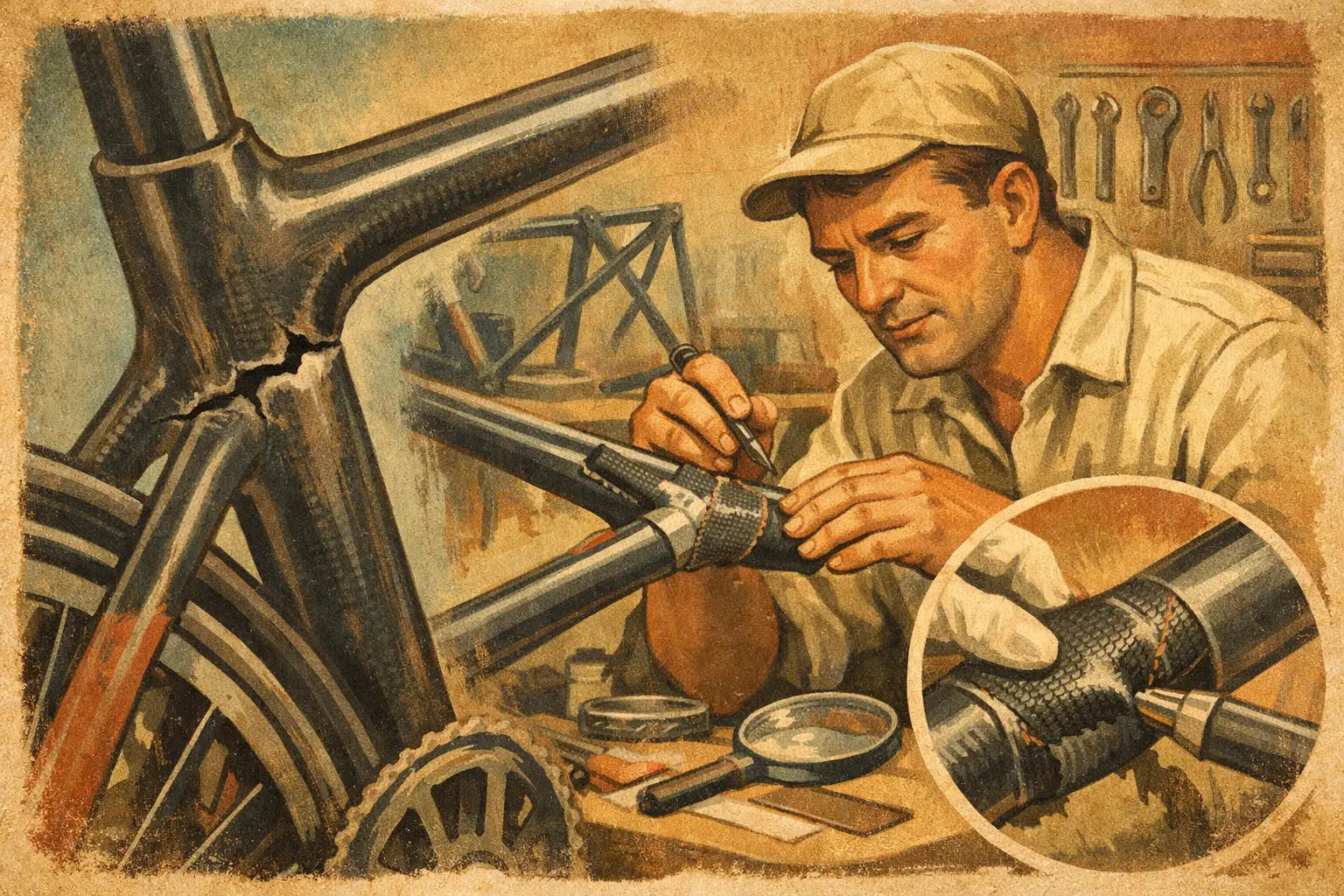
Carbon frame repair is a structural laminate repair, not a filler-and-paint exercise. The damaged material must be removed back to sound fibres, the area prepared with a controlled scarf, and replacement fibres laid in the correct directions to restore strength and stiffness. Resin choice, consolidation and curing all affect the result.
A good carbon repair considers the original function of the area. A down tube sees different loads from a seatstay; a chainstay needs impact resistance as well as stiffness; a fork requires especially conservative judgement because its failure consequences are severe. Cosmetic finishing comes last. A beautifully blended paint repair is not proof of a sound structure.
Carbon can be repaired exceptionally well where the damage is local and the surrounding laminate is understood. However, crushed sections, damage across complex joints, fork crown damage or hidden impact damage may make a repair unsuitable. The correct answer is sometimes to retire the component.
Choosing between repair, reinforcement and replacement
The sensible option is not always the cheapest immediate option. A straightforward repair can be worthwhile when the frame has good geometry, fits you properly, carries sentimental value, or is part of a high-quality build with components you want to retain. A carefully restored frame can also be the more sustainable choice than replacing sound equipment because one area has failed.
Reinforcement is useful when analysis identifies a local weakness and there is a way to improve the load path without creating a new stress raiser. It is not simply a case of adding more material. An overly stiff patch can move the stress to its edge, where a new crack may start. Shape, thickness, transitions and the interaction with the existing structure all matter.
Replacement becomes the right decision when damage is extensive, the likely repair cannot restore reliable service life, or the bike’s intended use leaves little margin for uncertainty. There is no value in forcing a repair onto a frame that should not return to hard use. A clear assessment should give you that answer directly, without pressure to spend money on work that does not make engineering sense.
What a durable frame repair should include
A structural repair should be judged on more than the visible finish. The frame needs to be correctly aligned, interfaces need to be checked, and the repaired area must suit the components and loads it will see. On a mountain bike, that can mean checking pivot condition, axle hardware and wheel alignment. On a touring bike, it may mean examining rack mounts, pannier clearance and repeated luggage loading. On an e-bike, motor torque and battery weight can materially change the stresses placed on a conventional frame.
The final finish has a practical purpose too. Steel needs reliable corrosion protection. Carbon needs a protective surface coating over the repair. Bare titanium may not need paint, but a repaired area should be cleanly finished and easy to inspect in future. You should also receive clear advice on any limits, bedding-in checks and sensible inspection intervals.
Before arranging an assessment, provide the make and model, clear photographs of the affected area, the bike’s age, how the damage occurred, and how you ride it. Mention previous repairs, hard impacts, luggage use, powerful e-bike conversions and recurring cracks. Those details help identify whether the damage is isolated or part of a wider problem.
A good frame is serious equipment, and many damaged frames still have years of safe, fast and comfortable service ahead of them. Bring the whole story of the bike, not just a photograph of the crack, and the repair decision can be made on evidence rather than hope.


Leave A Comment