
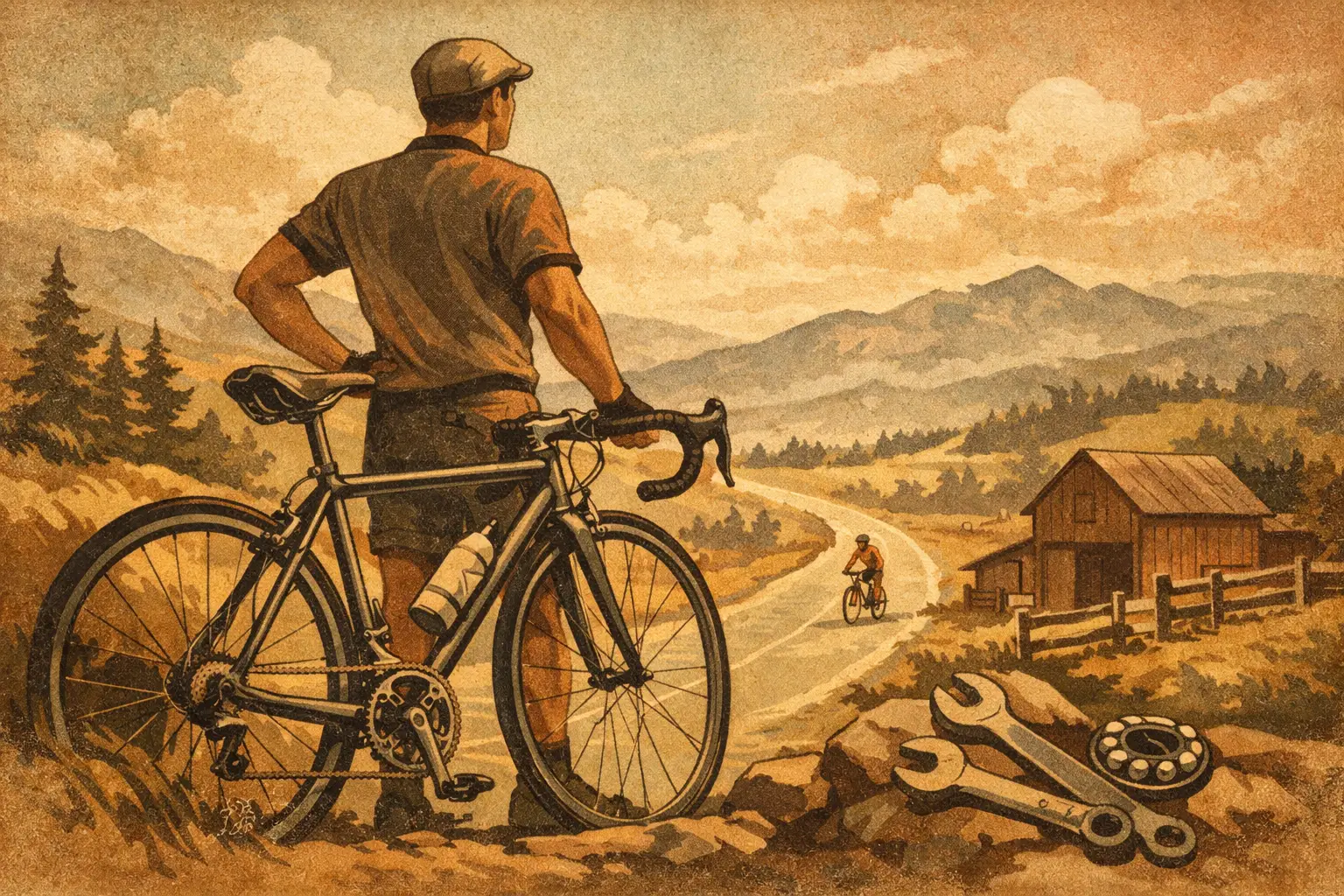
A rider who can hold their position comfortably after eight hours is usually faster than one who began the day on a lighter, more fashionable bike. That is the point of a bespoke endurance road bike: not to add novelty, but to make the machine work properly through real fatigue, poor surfaces, changing weather and the practical demands of long-distance riding.
For British endurance riding, the usual catalogue categories are often too blunt. ‘Endurance’ can mean anything from a slightly taller head tube to a bike intended for all-day audax, fast winter training, loaded events and rough northern lanes. A serious build starts by defining the actual job, then selecting the geometry, materials, components and wheels to suit it.
What a Bespoke Endurance Road Bike Should Solve
A bespoke bike is not simply a frame painted in a preferred colour or fitted with expensive components. It is a coordinated engineering decision, made around the rider and the use case. The starting question is not ‘what groupset do you want?’ but ‘where does the bike need to take you, and what has stopped your present bike doing it well?’
That may mean persistent hand numbness after 100 kilometres, an unstable front end when carrying kit, recurring wheel failures, insufficient gearing for loaded climbs, or a position that is acceptable for two hours but inefficient after six. Sometimes the requirement is more specific: a rider may need clearance for a measured tyre size and mudguards, accommodation for old injuries, reliable dynamo lighting, or frame points positioned for an ultra-distance luggage system.
These are not minor details added at the end of a build. They affect the frame layout, fork specification, wheel choice, brake system, cockpit and cable routing. Treating them as afterthoughts is how a bike becomes compromised before its first long ride.
Fit is more than saddle height
A good endurance position supports sustained power while allowing the rider to breathe, look ahead and move naturally on the bike. It needs enough reach to keep the steering calm, but not so much that shoulders and hands carry unnecessary load. It needs sensible bar drop, stable saddle support and a relationship between feet, pelvis and hands that still works when the body is tired.
Body proportions matter, but so do flexibility, previous injuries, riding history and ambition. A rider returning after back pain has a different requirement from an experienced racer preparing for a multi-day event, even if they are the same height. The answer may be a subtle geometry change, a different crank length, a wider bar with suitable flare, or a carefully selected contact point rather than a radically unusual frame.
The aim is not to create an upright bike by default. It is to create a position you can maintain without wasting energy fighting it.
Frame Design for Long British Miles
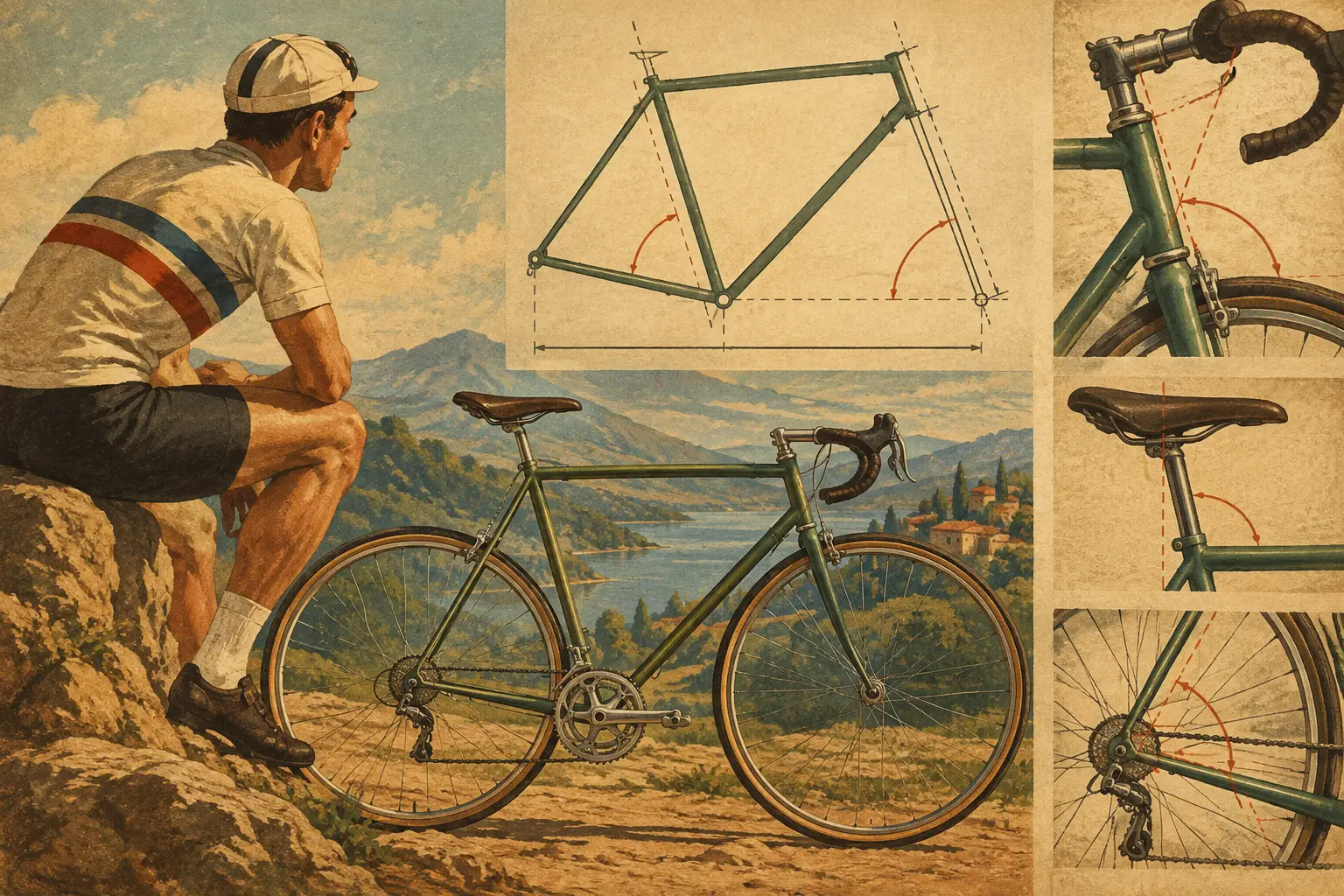
Endurance performance depends on predictable handling. A bike should not feel nervous on broken descents, vague under power or unsettled when a bar bag and spare layers are fitted. Geometry needs to account for rider position, tyre size, fork offset, wheelbase and intended load together.
A lower trail figure can provide quick steering, but may become less reassuring with wide tyres or a loaded front end. A longer wheelbase can bring stability and clearance, but taken too far it can leave a bike feeling unresponsive. There is no single ‘best’ endurance geometry. The right balance depends on whether the bike is intended for unladen fast road riding, rough-road audax, credit-card touring or long mixed-surface events.
Material choice should follow the same logic. Steel, titanium, aluminium and carbon can all produce an excellent endurance bike when correctly designed and properly built. The material alone does not determine ride quality. Tube dimensions, lay-up or wall thickness, junction design, fork behaviour, tyre volume and wheel construction all influence what the rider feels.
Steel remains a sound choice where repairability, rack compatibility and a measured road feel matter. Titanium can offer corrosion resistance and long service life for riders wanting a frame to keep for decades. Aluminium can make sense for a responsive, cost-conscious performance build, while carbon offers shape freedom and low weight where the design and intended service life justify it. Each carries trade-offs in cost, impact tolerance, repair options and fabrication complexity.
At Ewhurst Bikes, that engineering view matters because the best frame is not necessarily the lightest one. It is the one that retains its alignment, handling and structural integrity through the work it will actually be asked to do.
Clearance, mounts and cable routing are performance decisions
Tyre clearance is one of the most commonly underestimated parts of an endurance specification. A nominal 32 mm tyre can measure substantially wider on a modern internal-width rim, and it needs safe clearance for flex, road debris and mud. If mudguards are part of the brief, their stays, bridges and clearance must be designed in rather than improvised later.
The same applies to mounts. Bottles, top-tube bags, dynamo wiring, rack eyes and spare mounting points should be placed where they can be used without interfering with the rider or the steering. A clean-looking frame that cannot carry the essentials for a 300-kilometre ride is not a practical endurance machine.
Internal routing can protect cables and give a neat finish, but it must remain serviceable. For a bike expected to cover serious mileage in all seasons, access for replacing hoses, cables, bearings and headset components is worth considering before the first build. A little mechanical transparency saves time, cost and frustration over the life of the bike.
Wheels, Tyres and Gearing Carry the Real Load
A frame receives most of the attention, yet wheels and tyres have an immediate effect on speed, comfort and reliability. For endurance use, a wheel should be selected for the rider, luggage, tyre width, terrain and service expectations. A very light wheelset can be excellent for climbing events, but it may not be the sensible choice for a larger rider, winter roads and regular loaded distance work.
A hand-built wheel allows hub engagement, spoke count, lacing pattern, rim depth and rim width to be chosen as a system. That does not mean every endurance rider needs the highest spoke count available. It means the wheel should have an adequate fatigue margin, sensible spoke tension and components that can be serviced or replaced without difficulty.
Tyre width is equally useful as a tuning tool. Wider, high-quality tyres run at appropriate pressure can reduce vibration and improve control on poor tarmac, often with no meaningful real-world speed penalty. The right pressure depends on rider mass, bike mass, tyre construction, rim width and surface quality. Copying a pressure from a faster, lighter rider is a reliable route to reduced grip and unnecessary fatigue.
Gearing should reflect the hardest part of the ride, not the average. If the bike will tackle steep North Pennine lanes at the end of a long day, a low climbing gear is sensible engineering, not an admission of weakness. Closely spaced ratios remain useful for fast group riding, but a wide-range cassette and suitable chainring combination can make an endurance bike far more capable without making it slow.
A Build Process That Avoids Expensive Mistakes
The value of bespoke work lies in making decisions in the correct order. Start with the rider’s dimensions, existing bikes, comfort issues, target events, usual roads, luggage, maintenance habits and budget. From there, establish the position and handling brief before committing to a frame or component standard.
A practical build process also allows for honest compromises. A full custom frame may be justified where fit, loading or functional requirements fall outside normal production options. In other cases, a carefully chosen made-to-order platform with the correct cockpit, wheels and gearing will deliver the better result for the budget. The Alpine Race Sport™ range, for example, is intended to provide an engineered endurance road and gravel race basis without pretending every rider needs a blank-sheet frame.
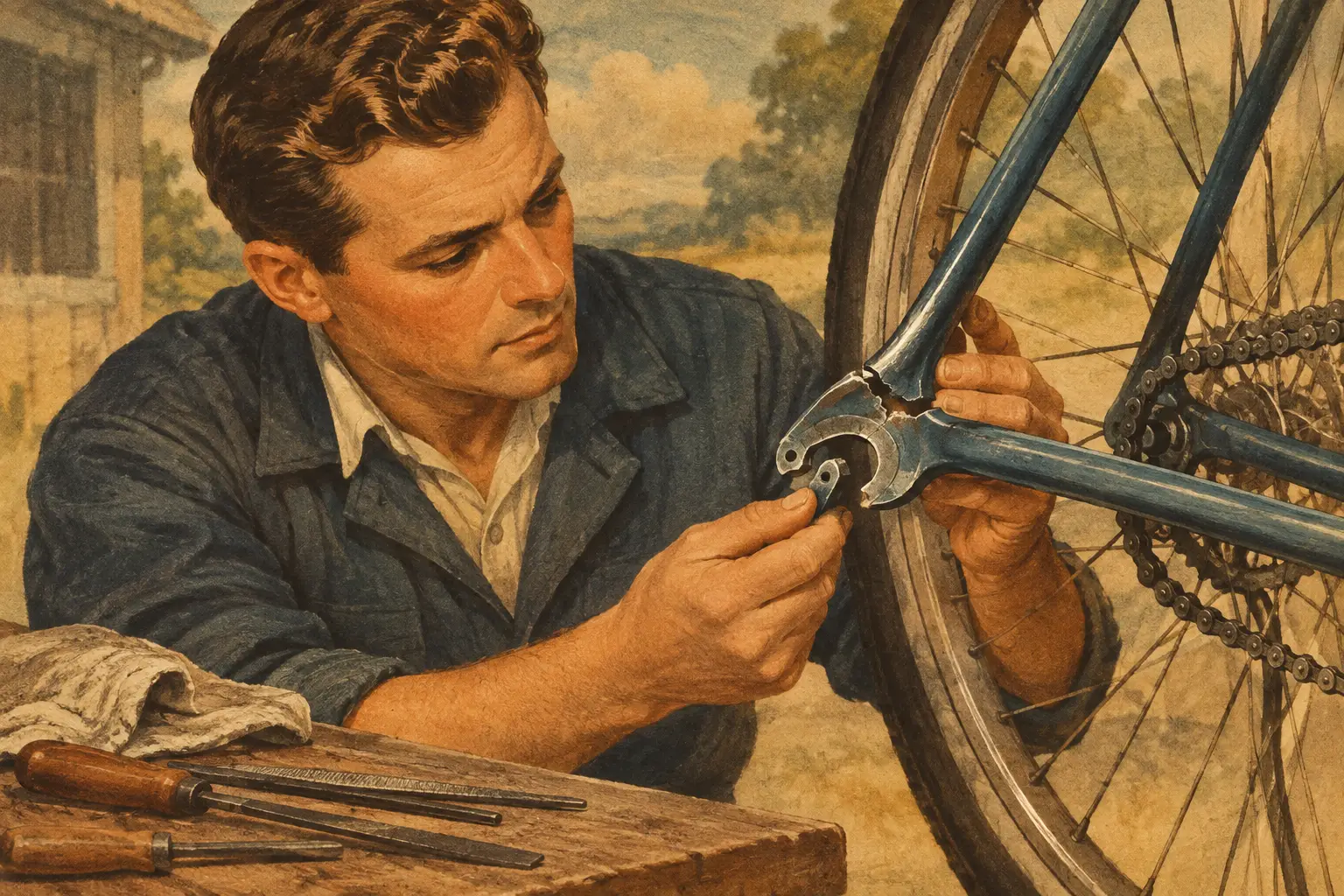
Do not spend heavily on electronic shifting while accepting unsuitable wheels, a poor saddle position or inadequate tyre clearance. Reliability starts with the fundamentals: correctly faced and aligned interfaces, appropriate bearing preload, properly tensioned wheels, carefully cut steerer length, secure hose routing and bolts tightened to specification. These details are unglamorous, but they decide whether the bike remains quiet, safe and enjoyable after a winter of use.
Build for Service, Not Just the First Ride
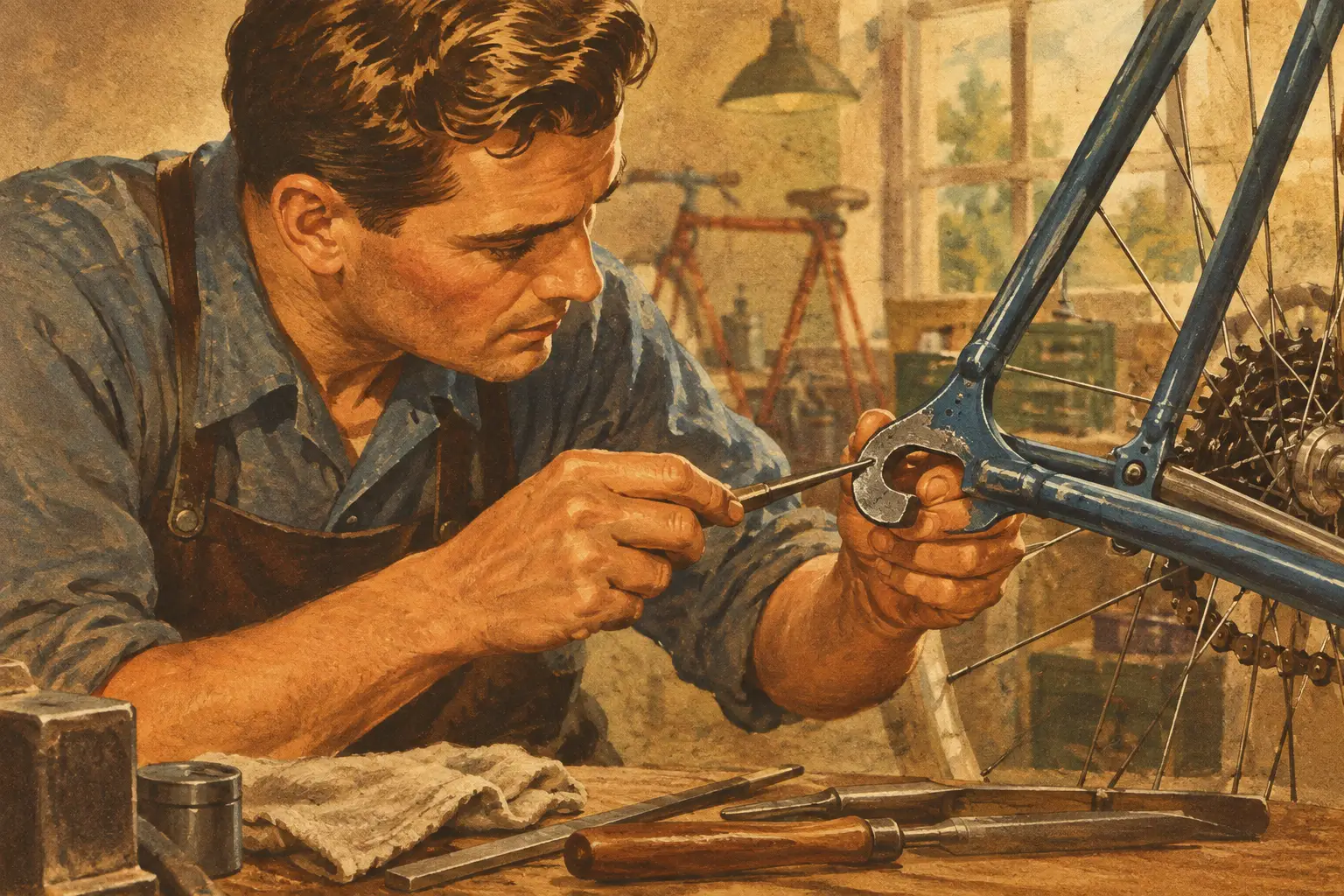
An endurance bike earns its value over years, not in the workshop photograph. Choose standards with a future: readily available consumables, sensible headset arrangements, replaceable hangers, known axle formats and components that can be maintained rather than discarded. This is especially relevant for riders who train through winter, travel for events or depend on one bike for most of their riding.
A bespoke build should also leave room for development. Fitness changes, event plans evolve and the same rider may later want mudguards, faster tyres, a larger cassette or a luggage system. Designing around reasonable adjustment means the bike can adapt without becoming a sequence of costly compromises.
Before specifying your next endurance machine, write down the longest rides you actually do, the surfaces that slow you down, what you carry and where discomfort begins. Those answers are more useful than any trend report. Bring them to a proper one-to-one discussion, and the resulting bike can be built not merely to impress on the first test ride, but to keep performing when the road turns rough and the day becomes long.



Leave A Comment